
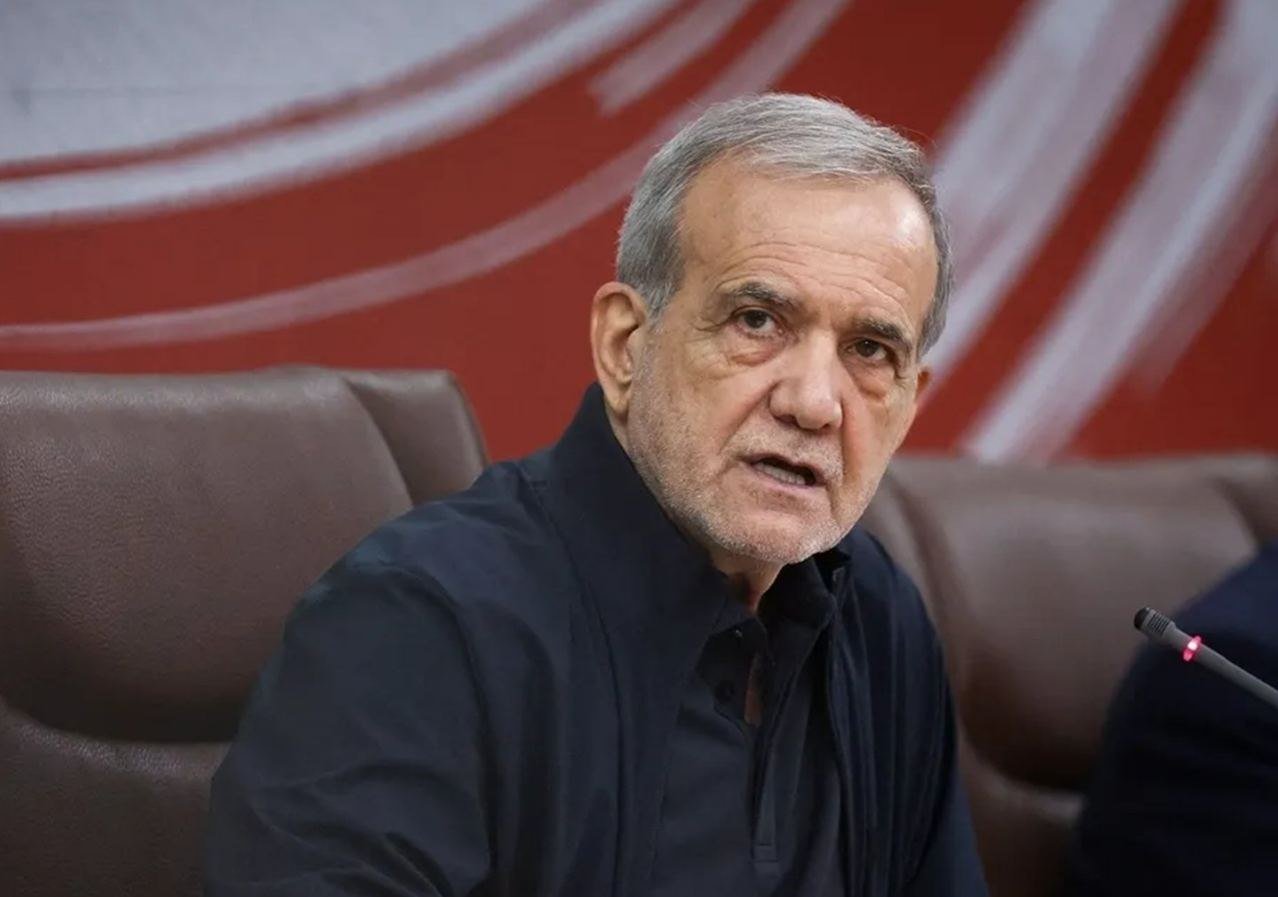
Iranian President Masoud Pezeshkian says Tehran will not surrender under military or economic pressure, accusing the United States of attacking civilian infrastructure and harming the livelihoods of ordinary people.
Pezeshkian made the comments Sunday morning in a post on X, criticizing what he described as attacks on civilian infrastructure, food supplies and people’s livelihoods.
“If the Americans are interested in war, let them confront our brave military forces. Why are they fighting civilian infrastructure, food supplies and people’s livelihoods?” Pezeshkian wrote.
He added that military and economic pressure would not force Iran to surrender.
Pezeshkian’s comments come as the confrontation between Iran and the United States continues to raise concerns not only over military targets but also over the consequences of attacks for civilian infrastructure and living conditions.
The Iranian president’s message also reflects Tehran’s effort to frame the conflict around the impact of the fighting on civilians, alongside its military response. By highlighting damage to infrastructure, food supplies and livelihoods, Iran is seeking to portray the conflict as one that is imposing costs on ordinary people rather than remaining confined to military targets.
From Nimruz’s perspective, the significance of Pezeshkian’s statement lies in the political narrative Iran is building around the war. Tehran is presenting military and economic pressure as insufficient to force capitulation while simultaneously emphasizing the civilian costs of the conflict.
If attacks continue and damage to essential infrastructure and livelihoods expands, civilian welfare could become an increasingly important factor in both domestic political pressure and international scrutiny of the conflict.
The immediate question is therefore not only whether military pressure can alter Iran’s position, but whether continued disruption to civilian life will deepen the wider political and humanitarian consequences of the confrontation.