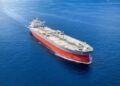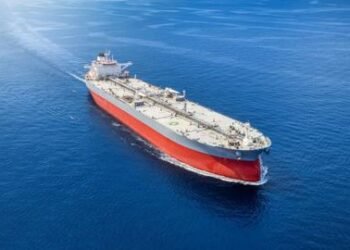

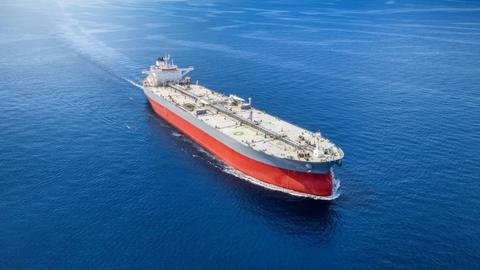
The United States Central Command, or CENTCOM, has rejected Iran’s account of the explosion involving the oil tanker Algaya in the Strait of Hormuz, saying the vessel was not damaged by a sea mine but was first struck by an Iranian missile and later targeted by a drone.
CENTCOM said Monday, September 14, that the Islamic Revolutionary Guard Corps’ claim that Algaya had hit a sea mine was false. According to the US military’s account, the tanker was struck by an Iranian missile last month and subsequently became disabled.
CENTCOM further alleged that Iran targeted Algaya with a drone over the weekend while the tanker was in Omani coastal waters.
The US Central Command said the tanker is now being towed by a regional partner but did not identify that partner or provide further details about the vessel’s condition or the extent of the reported damage.
In rejecting the Iranian account, CENTCOM described the sea-mine claim as part of an effort by the Iranian military to create fear and discourage commercial shipping from transiting the Strait of Hormuz.
Iranian state media had previously reported a different version of events, citing the IRGC Navy command. According to that account, Algaya had attempted to enter a prohibited area south of the Strait of Hormuz and exploded after striking sea mines.
The two accounts therefore differ fundamentally over both the cause of the incident and responsibility for the damage. Iran says the tanker exploded after hitting sea mines, while CENTCOM says it was targeted first by a missile and later by a drone.
At present, there is not enough independently verified evidence in the publicly available accounts to conclusively establish which version is accurate. The competing claims should therefore be treated as allegations from the respective parties rather than as a confirmed determination of what happened.
From the perspective of Nimruz, the importance of the dispute extends beyond the fate of a single tanker. The Strait of Hormuz is one of the world’s most important energy transit routes, and uncertainty over the safety of commercial vessels can quickly translate into higher risk assessments by shipping companies, increased insurance and transport costs, and greater concern in energy markets.
The conflicting narratives also demonstrate how incidents in the Strait can become part of a broader information and security confrontation. Establishing whether the tanker was damaged by a mine, missile or drone — and determining who was responsible — is therefore important not only for accountability but also for assessing the actual level of risk facing commercial shipping in one of the world’s most strategically important waterways.