
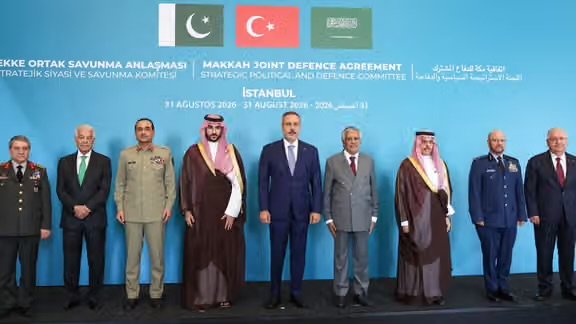
Pakistan says no talks are currently underway on taking military action under its new defense pact with Saudi Arabia and Turkey, signaling that Islamabad is seeking to avoid direct involvement in the regional conflict for now.
Sajjad Haider Khan, a spokesperson for Pakistan’s Foreign Ministry, said Thursday that military action under the agreement was not currently under discussion.
“At present, no such issue is being discussed. When the time comes, we will act according to the agreement,” he said.
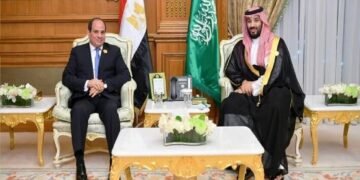
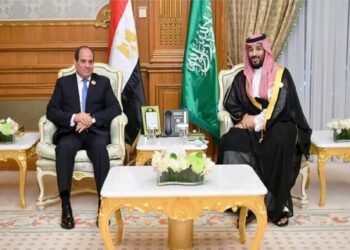
Pakistan, Saudi Arabia and Turkey signed the defense agreement in Mecca last month. Under the pact, an armed attack against any one of the three members is to be treated as an attack against all three.
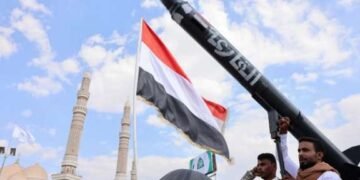
Islamabad’s position comes as Houthi attacks on Saudi cities and energy infrastructure have intensified, raising concerns that the conflict involving Iran and its regional rivals could expand into additional fronts.
Pakistan has condemned the Houthi attacks on Saudi Arabia but has not publicly outlined how it would respond if the defense agreement were formally invoked.
Reuters previously reported, citing people familiar with the matter, that Pakistan had warned Iran to stop the Houthis in Yemen from continuing attacks on Saudi Arabia. That approach suggests Islamabad is currently prioritizing diplomatic pressure on Tehran over direct military involvement.
Pakistan is also seeking to play a mediating role in tensions between the United States and Iran. Direct military intervention on behalf of Saudi Arabia could complicate that role, placing Islamabad simultaneously under pressure from Tehran and at greater risk of being drawn into a broader Middle Eastern conflict.
The stakes extend beyond the three countries involved. Continued attacks on Saudi energy infrastructure could create wider concerns over regional energy security, particularly if damage or disruption becomes extensive enough to affect supplies from the Gulf.
The Pakistani foreign ministry spokesperson also said there were currently no plans for additional countries to join the Mecca defense pact.
Islamabad’s current position therefore reflects a careful balance: it is maintaining its commitment to the defense agreement without signaling an immediate military response. By keeping its military obligations intact while emphasizing that no action is currently under discussion, Pakistan preserves its options without closing the door on diplomacy.
From Nimruz’s perspective, the most significant part of Pakistan’s message is the phrase “when the time comes.” It neither commits Islamabad to immediate intervention nor abandons the defense pact. Instead, it leaves the threshold for military action undefined while giving Pakistan room to pursue diplomatic pressure on Iran and avoid becoming a direct party to the conflict.
The approach could become increasingly difficult to sustain if attacks on Saudi Arabia intensify or cause major damage to energy infrastructure. In that scenario, the gap between Pakistan’s diplomatic role and its defense commitments could face its first serious test.