
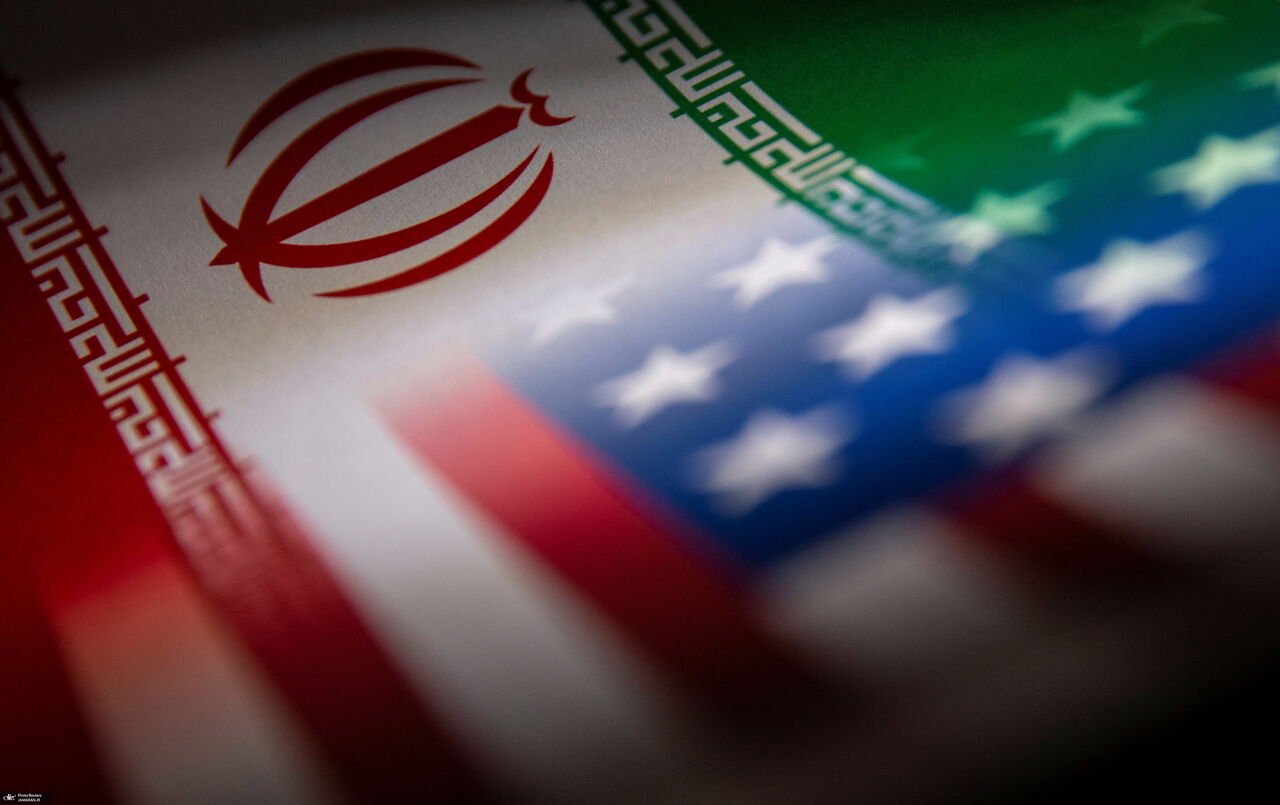
Iran has urged governments around the world not to implement unilateral US sanctions against Tehran, seeking to turn Washington’s latest economic pressure campaign into a broader international dispute.
Iran’s Foreign Ministry said on Friday that the new US campaign, described by Washington as “Operation Economic Exclusion,” amounts to what Tehran called “state terrorism.” The ministry also claimed that the measures violate the UN Charter and principles of international law.
The Iranian statement accused the United States of using the dollar’s dominant position in the global financial system to pressure other countries into limiting their economic relations with Iran.
Tehran described the pressure as a violation of national sovereignty and the principle of sovereign equality. It called on governments not to recognize the effects of unilateral US sanctions and not to participate in enforcing them.
Iran also cited UN General Assembly resolutions concerning non-interference in domestic affairs and principles governing friendly relations between states. Tehran criticized the UN and its member states for what it described as tolerance toward actions by the United States and Israel.
The Iranian Foreign Ministry characterized the new sanctions as part of an ongoing “economic war” against Iran and alleged that the measures are intended to increase economic pressure and harm the Iranian population.
The statement follows Washington’s announcement on Monday that it had launched a new campaign against Iran under the name “Operation Economic Exclusion.”
The stated objective of the campaign is to increase pressure on Iran’s economic relations with other countries through the threat of secondary sanctions and restrictions on access to the US financial system.
Iranian Foreign Minister Abbas Araghchi has also written to UN Secretary-General António Guterres, calling for a response from the organization and its member states and holding Washington responsible for the consequences of unilateral sanctions.
Nimruz Exclusive Angle
The significance of the confrontation extends beyond the number of sanctions imposed. The new US strategy seeks to increase the cost of doing business with Iran for companies and countries that depend on access to the US financial system.
That makes third countries central to the dispute. Tehran is effectively asking governments and businesses to resist US restrictions, while Washington is seeking to use its financial leverage to make continued economic engagement with Iran more costly.
Final Analysis
The effectiveness of the new campaign will therefore depend not only on the sanctions themselves, but on Washington’s ability to persuade banks, companies and governments to comply with them.
For Tehran, the critical issue is preserving channels for oil exports, foreign trade and access to financial resources. If secondary sanctions further restrict other countries’ economic cooperation with Iran, pressure on the Iranian economy is likely to increase.
If Tehran succeeds in maintaining durable alternative channels for trade and finance, however, the impact of Washington’s campaign could be more difficult to sustain.
The confrontation is therefore evolving from a bilateral US-Iran dispute into a wider test of how far Washington can extend its financial leverage beyond its own borders — and how effectively Tehran can resist it.