
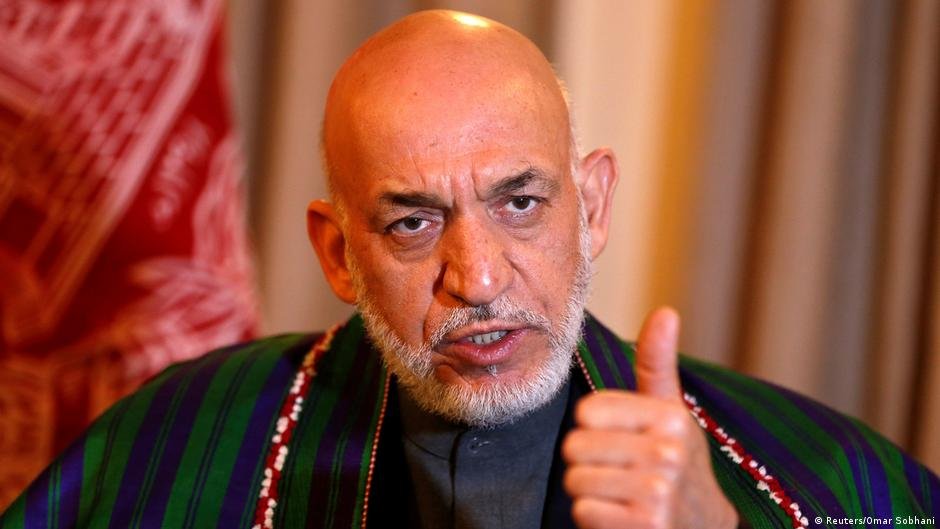
Former Afghan President Hamid Karzai says he will not speak positively about the Taliban as long as girls remain barred from secondary education, making the reopening of schools a clear condition for any praise of the group.
In an interview with the Financial Times, Karzai said his activities, movements and meetings have faced restrictions because of his criticism of Taliban policies. He said Taliban officials have been angered by his position on girls’ education and have asked him to make positive statements about their performance.
“When girls go back to school, then I will have a reason to say positive things about the Taliban. Not today,” Karzai said.
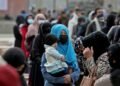
Karzai described the continued ban on girls’ education as Afghanistan’s biggest current problem, arguing that the country cannot build a stable future without educated women.
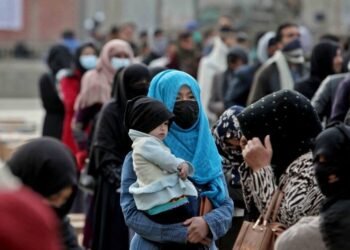
He said women should be able to participate across society, including education, the economy, medicine, engineering, the judiciary and the media.
“If we want to have a living and dynamic society, girls must go to school and women must return to work,” Karzai said.
The former president also said that some Taliban members have privately expressed support for girls returning to school and women returning to workplaces. However, the Taliban’s official policy continues to prevent girls from attending secondary school.
Karzai, who has remained in Kabul since the Taliban returned to power, said he maintains communication with Taliban officials but is effectively subject to restrictions and cannot move freely without coordination with the Taliban authorities.
Despite the political differences, Karzai described his relationship with the Taliban as “respectful,” while acknowledging that his criticism has caused dissatisfaction within the group.
He also said that his two daughters have been unable to continue their schooling because of the restrictions on girls’ education beyond the sixth grade. That personal experience adds another dimension to his criticism, connecting his political position directly to the impact of the policy on his own family.
The Taliban have not announced a definitive timetable for reopening secondary schools for girls. The issue remains one of the most prominent points of criticism directed at the Taliban by international actors and Afghan political figures.
Karzai’s position is notable because he has remained in Afghanistan and maintained communication with Taliban officials rather than positioning himself solely from outside the country. His refusal to praise the group without a change in education policy therefore reflects a continued political disagreement over one of the Taliban’s most consequential restrictions.
From the perspective of Nimruz, the significance of Karzai’s remarks extends beyond his personal disagreement with the Taliban. Girls’ education has increasingly become a measure by which the Taliban’s relationship with Afghan society and the international community is judged. Karzai’s comments also demonstrate that maintaining dialogue with the Taliban does not necessarily require accepting their education policy.
As long as the restriction on girls’ secondary education remains in place, the issue is likely to continue shaping political criticism of the Taliban and their relationship with Afghan political figures and the wider international community. For Afghanistan’s future, the question is not simply whether schools reopen, but whether women and girls are allowed to participate fully in the country’s social and economic life.