

The United Nations Food and Agriculture Organization (FAO) says new agricultural technologies are helping farmers in Afghanistan reduce crop losses, manage resources more efficiently and improve their livelihoods. Ahead of World Food Day on October 16, the organization has highlighted six initiatives across Kunduz, Faryab, Paktia, Takhar, Bamyan and Herat.
The initiatives focus on practical solutions suited to local conditions, including more precise irrigation, improved crop storage, solar-powered food preservation and techniques that help protect natural resources.
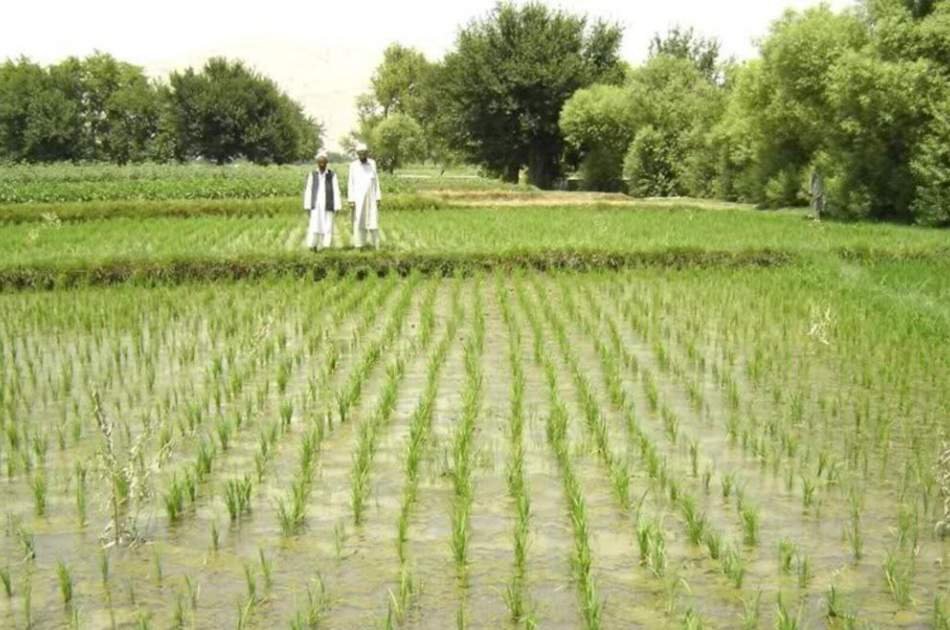
In Kunduz, laser land-leveling equipment is being used to distribute irrigation water and fertilizer more evenly across fields. According to FAO, since 2025 the organization has helped irrigation associations gain shared access to the equipment. More than 23,000 farming households reportedly have access to the technology, which can help improve water use and field management.
In Paktia, farmers are combining fruit-tree cultivation with the production of animal fodder. This approach allows them to use the same land for growing fruit and producing feed for livestock, potentially diversifying agricultural output and making better use of available farmland.
Solar dryers are another important innovation highlighted by FAO. These systems allow families, including women farmers and producers, to preserve fruit and vegetables for winter consumption or sale. According to the organization, average post-harvest losses among households receiving the dryers fell from approximately 26 percent to 7 percent. Around one-quarter of these households also sold some of their dried produce, creating an additional source of income.
In Bamyan, solar cookers are used to prepare food and boil water on sunny days. FAO says the technology can reduce household dependence on firewood and shrubs, helping ease pressure on vegetation and grazing areas where fuel collection contributes to environmental degradation.
In Herat, purpose-built grape-drying structures are helping farmers produce higher-quality raisins. Farmers using the facilities reported that drying time fell from about 30 days to 15 days. They also reported a reduction in losses from 40–50 percent to 10–15 percent, potentially allowing a greater share of the harvest to reach the market.
FAO has also highlighted energy-free storage facilities for crops such as onions, apples and potatoes. Designed to support natural air circulation and maintain more stable internal temperatures, these structures can slow spoilage and help farmers preserve produce for longer without relying on powered cooling systems.
The initiatives are being presented ahead of World Food Day, observed annually on October 16. The 2026 theme is “Today we innovate, tomorrow we nourish,” emphasizing the role of innovation in food systems and food security.
For Afghanistan, where farmers face pressure to protect harvests and use limited resources efficiently, these examples demonstrate the potential value of technologies adapted to local needs. Their wider impact, however, will depend on affordability, maintenance, training and whether more farming households can access the equipment and facilities.
For Nimruz, reducing food losses is not only an agricultural challenge but also an economic and food-security priority. Technologies that help farmers preserve more of what they grow, save water and generate income from surplus produce could strengthen rural livelihoods, provided the benefits reach communities beyond the initial projects.