
Renewed tensions between Iran and the United States are complicating efforts to advance Lebanon-Israel negotiations, with the US ambassador in Beirut warning that the talks cannot move forward until the wider regional situation becomes clearer.
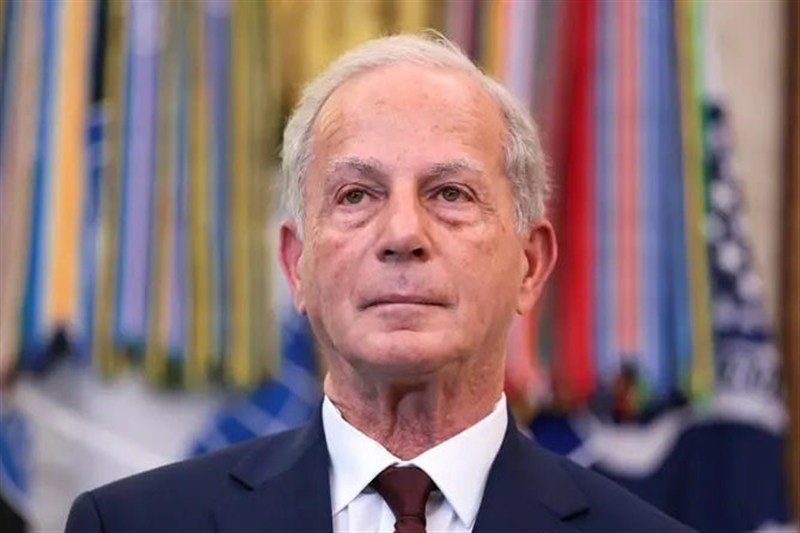
US Ambassador to Lebanon Michel Issa said on Thursday that developments between Iran and the United States are having a significant impact on the Lebanon-Israel negotiations, which are expected to enter a new round in Rome.
“The negotiations cannot move forward unless we know what will happen in the region,” Issa said.
Issa also addressed Hezbollah, saying the group remains linked to Iran despite US efforts to keep Lebanon’s file separate from developments involving Tehran.
The ambassador made the remarks after meeting Sami Abi al-Mouna, the Druze community’s senior religious authority in Beirut.
On Hezbollah’s weapons, Issa said Lebanese authorities agree that the group’s weapons should be transferred to the state, although there are differences over how that process should be carried out.
“The Lebanese agree on handing over Hezbollah’s weapons, and everyone has their own way of doing it, but it is essential that it hand over its weapons to the state,” he said.
The Lebanon-Israel talks are taking place amid continuing disagreement over Hezbollah’s weapons and the group’s role in Lebanon’s security structure. At the same time, any escalation between Iran and the United States could affect the calculations of regional actors, including Hezbollah.
The ambassador’s remarks indicate that Washington currently sees Lebanon’s negotiations as closely connected to the broader regional balance. His comments about Hezbollah’s ties to Tehran also suggest that the question of Hezbollah’s weapons is viewed not only as a domestic Lebanese issue but as part of a wider regional security equation.
The immediate significance is that the next round of talks in Rome may depend on developments well beyond Beirut and Israel. A shift in US-Iran relations could influence Hezbollah’s position, Lebanon’s security environment and the political space available for negotiations.
The broader test for the talks, therefore, is whether Lebanon and Israel can maintain a diplomatic track while regional tensions continue to shape the positions of the actors around them. For now, Washington’s message is clear: progress may remain difficult until the wider regional picture becomes more predictable.