
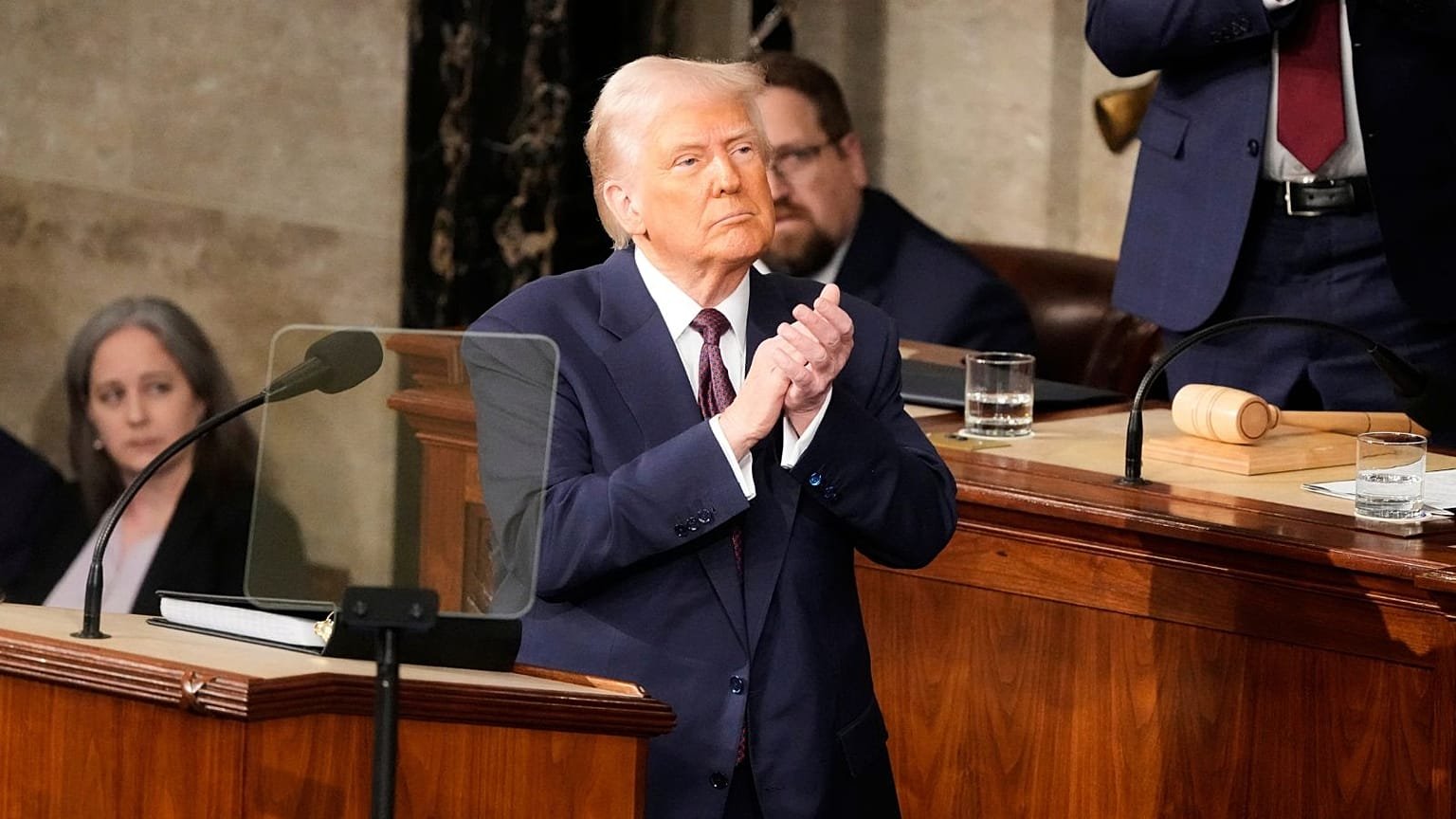
US President Donald Trump has claimed that Iranian officials asked him to promise not to target any more of the country’s leaders and that he agreed to the request. He made the remarks during a Republican campaign rally in Bullhead City, Arizona, on Wednesday, October 14, amid continuing tensions over the war with Iran.
Trump said senior figures in Iran’s leadership had been killed and that individuals selected to replace them had also been targeted. He claimed Iranian officials subsequently asked him to stop targeting additional leaders, adding that he had agreed. He did not identify the officials who allegedly made the request or provide details about the scope or conditions of the reported understanding.
Trump also questioned who Washington could negotiate with following the reported deaths of Iranian leaders. His remarks did not establish whether a formal agreement had been reached or whether Iran’s government had confirmed any such request.
During the same speech, Trump claimed that Iran’s naval and air forces, radar systems and air defenses had been destroyed, leaving the country without its previous military capabilities. He also asserted that the United States had complete control of the Strait of Hormuz and that oil and gasoline extraction through the waterway had increased compared with the period before the war. These claims have not been independently established by the information available.
On the nuclear issue, Trump repeated his assertion that Iran had been approximately two weeks away from obtaining a nuclear weapon before US strikes on February 28. He described a bombing operation against Iranian nuclear facilities that he said was temporarily delayed after details about the bombers’ departure time were leaked, before proceeding two days later as originally planned.
Trump called for severe punishment for those responsible for disclosing sensitive military information, saying that leakers should be imprisoned and shot. His comments drew attention to the administration’s approach to classified information and the potential consequences of leaks involving military operations.
The president concluded that Iran would not acquire a nuclear weapon. However, the claims about Iran’s proximity to developing such a weapon, the extent of damage to its military capabilities and US control of the Strait of Hormuz require independent evidence to establish their accuracy.
The reported promise not to target additional Iranian leaders also remains unclear. No details were provided about its timing, conditions, scope or whether it forms part of any broader diplomatic communication between Washington and Tehran.
For Nimruz, the statements illustrate the uncertainty surrounding both military developments and the prospects for negotiations. If communication between the two sides is taking place, its significance will depend on verifiable terms, confirmation from the parties involved and evidence of any resulting change in military activity. Until then, Trump’s account should be understood as a claim made during a political rally rather than confirmation of a formal agreement.