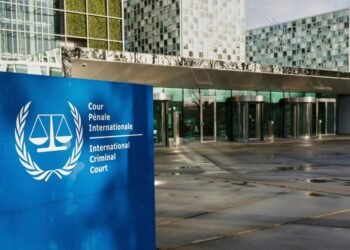

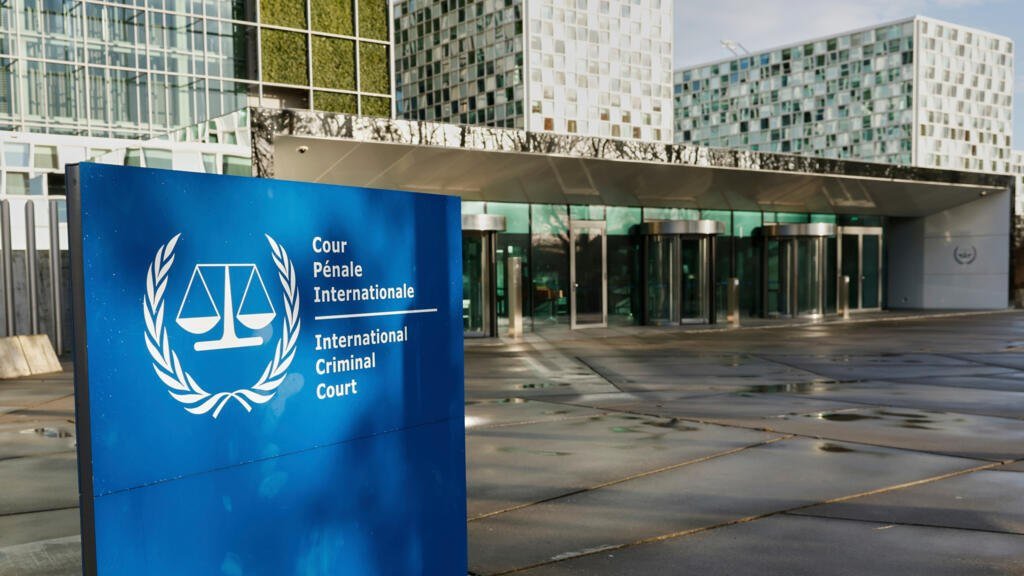
The United States has imposed sweeping sanctions on the International Criminal Court (ICC), escalating a long-running dispute over the court’s authority to investigate alleged international crimes involving American personnel and officials from allied countries, including Israel.
Secretary of State Marco Rubio announced the measures on Friday, October 9, 2026. They target the court’s access to US-based financial services and technology and restrict transactions with the institution. American companies and individuals that maintain business relationships with the ICC have been given six months to wind down those activities.
The Trump administration argues that the court has no legitimate authority to prosecute American citizens because the United States is not a party to the Rome Statute, the treaty that established the ICC. Washington has also accused the court of pursuing politically motivated and unlawful cases involving the United States and its allies.
The court’s jurisdiction, however, is not limited exclusively to nationals of member states. Under specified conditions, it can investigate alleged crimes committed on the territory of a state party, even when the accused is a citizen of a country that has not joined the treaty. This distinction lies at the heart of the legal and political confrontation between Washington and the court.
The ICC has strongly condemned the sanctions, describing them as an attempt to obstruct justice and undermine the international legal order. Its deputy prosecutor, Nazhat Shameem Khan, has said the measures will not stop the court’s investigations and prosecutions. The institution has also called on its 125 member states to help ensure that it can continue operating.
The announcement came hours after former ICC judge Navi Pillay was awarded the 2026 Nobel Peace Prize for her efforts to promote peace and international law. The timing drew attention to the wider dispute over international justice, although US officials said the sanctions had been under consideration for months and were not a response to the award.
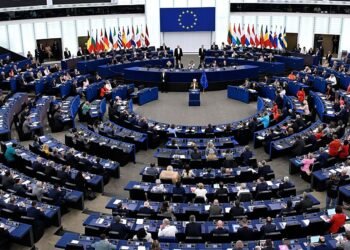
The practical effects could extend beyond the courtroom. Restrictions on financial transactions, technology and commercial services may complicate the ICC’s daily operations and create difficult choices for businesses and institutions that support its work. Several US allies have expressed concern and discussed ways to protect the court’s ability to function.
For Nimruz, the dispute raises a fundamental question about the limits of national sovereignty when allegations concern crimes governed by international law. Washington maintains that its citizens should not be subject to a court it has not joined; supporters of the ICC argue that the court’s treaty-based mandate is essential to pursuing accountability when national systems cannot or will not act. The consequences will depend on how effectively the sanctions are enforced, how other countries respond and whether the court can maintain its operations under growing financial and technological pressure.