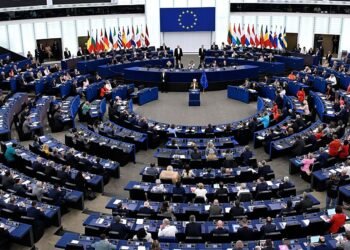

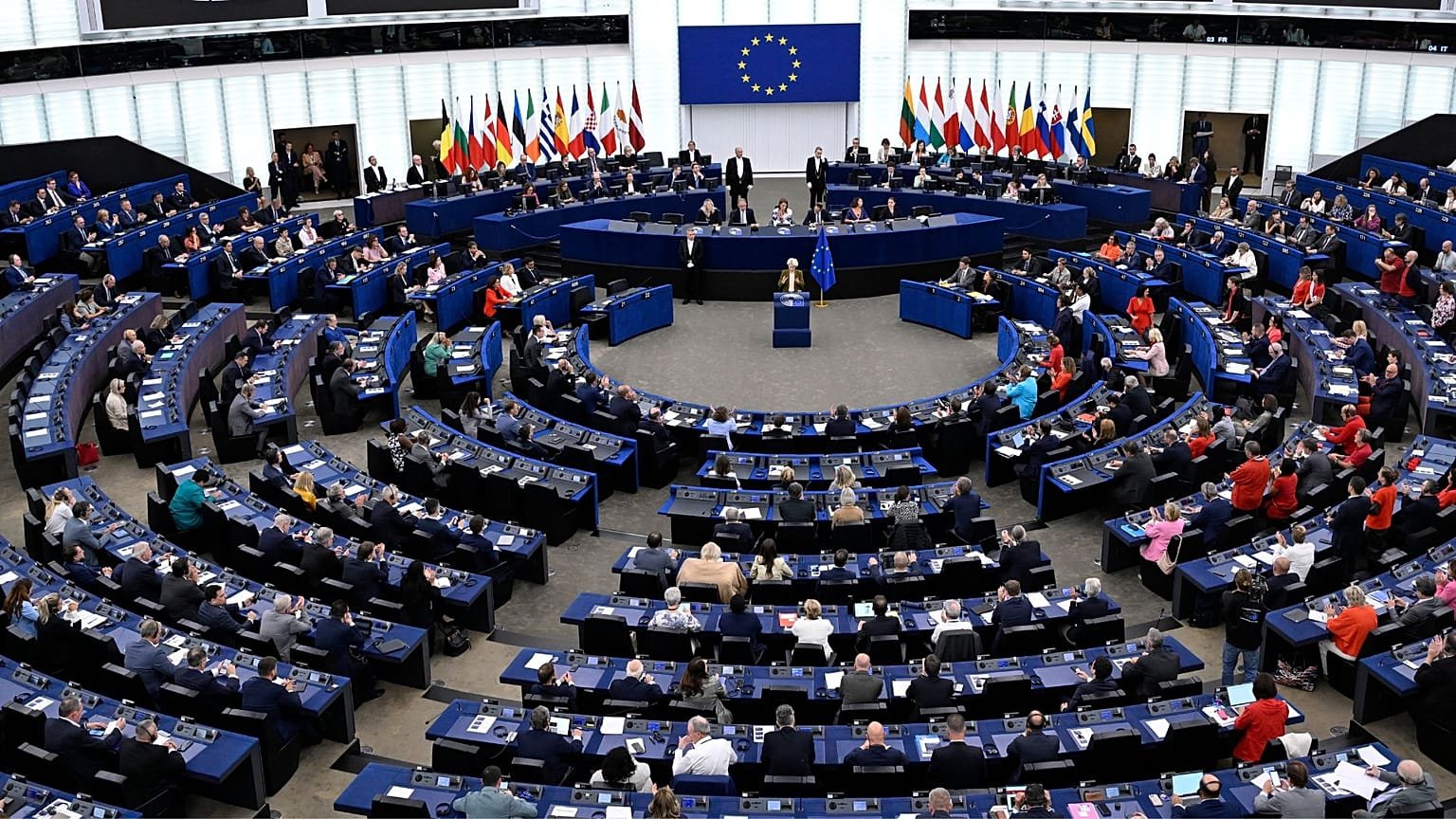
The European Parliament has adopted a resolution calling for a coordinated European Union strategy to counter what the proposal describes as “Islamist entryism” and the influence of the Muslim Brotherhood network, opening a new debate over security, public funding and religious and civil liberties across Europe.
The resolution was adopted on Thursday, October 8, with 381 votes in favor, 167 against and 15 abstentions. It was introduced by the European People’s Party, the largest political group in the Parliament, and received support from several right-wing groups and a substantial number of liberal lawmakers.
The text calls for stronger coordination among EU member states and a European approach to identifying what its supporters describe as attempts by Islamist political networks to gain influence within public institutions. It identifies concerns including financial opacity, the relationship between religion and politics, and the alleged use of anti-discrimination initiatives to advance political objectives.
One of the central demands concerns public funding. Supporters want EU institutions and member states to strengthen scrutiny of grants and other financial support provided to organizations alleged to have links to Islamist networks, particularly those associated with the Muslim Brotherhood.
The resolution also calls on the EU Council to assess whether entities or individuals linked to the Muslim Brotherhood meet the legal criteria for inclusion on the EU terrorist list. It further proposes restrictions on access to EU institutions for organizations associated with the European Council of Muslims.
These are recommendations contained in a parliamentary resolution, not measures that automatically take effect across the European Union. Any subsequent restrictions, funding decisions or terrorist designations would require the relevant legal procedures and decisions by the competent EU institutions or national authorities.
The vote revealed a significant political divide. Support came from the European People’s Party and several right-wing groups, alongside much of the liberal Renew Europe group. Socialists, Greens and the Left largely opposed the text, reflecting disagreement over its definitions, proposed measures and potential consequences for civil liberties.
Supporters argue that European institutions need a common framework to address networks they believe may exploit democratic processes, public funding or institutional access to advance political Islamist objectives. They say greater transparency and coordination would help governments identify potential risks while protecting democratic institutions.
Opponents have raised concerns about the breadth of the terminology and the potential for political or religious associations to face restrictions based on alleged links rather than proven unlawful conduct. The debate also touches on the distinction between political Islamism, violent extremism and the peaceful practice of Islam.
That distinction is central to the wider controversy. Muslims and Muslim-led organizations across Europe represent a broad range of religious, social and political positions. Allegations concerning a particular organization cannot, by themselves, establish that all its members or people associated with it support extremism or unlawful activity.
The resolution was adopted as questions involving migration, religious identity, security and integration remain prominent in European politics. The issue has particular relevance in France, where disputes over secularism, religious expression, public funding and the role of Muslim organizations have featured prominently in political debate.
From the Nimruz perspective, the vote matters because it signals a parliamentary push toward a more coordinated EU approach to monitoring and responding to alleged Islamist political networks. However, the practical consequences will depend on how European institutions and member states interpret the recommendations and whether they introduce concrete legal or administrative measures.
The central challenge will be defining the conduct that warrants scrutiny while ensuring that any response is based on evidence, respects due process and distinguishes unlawful activity from peaceful religious practice or legitimate civic participation.
The vote therefore marks a political step rather than the immediate introduction of a new EU-wide law. Its longer-term significance will depend on the measures that follow, the legal standards applied to individual organizations and the safeguards established to protect freedom of religion, association and expression.