
Izmir Mayor Cemil Tugay has officially joined Turkish President Recep Tayyip Erdogan’s ruling Justice and Development Party, known as the AK Party, in a major political shift in Turkey’s third-largest city.
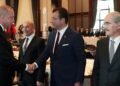
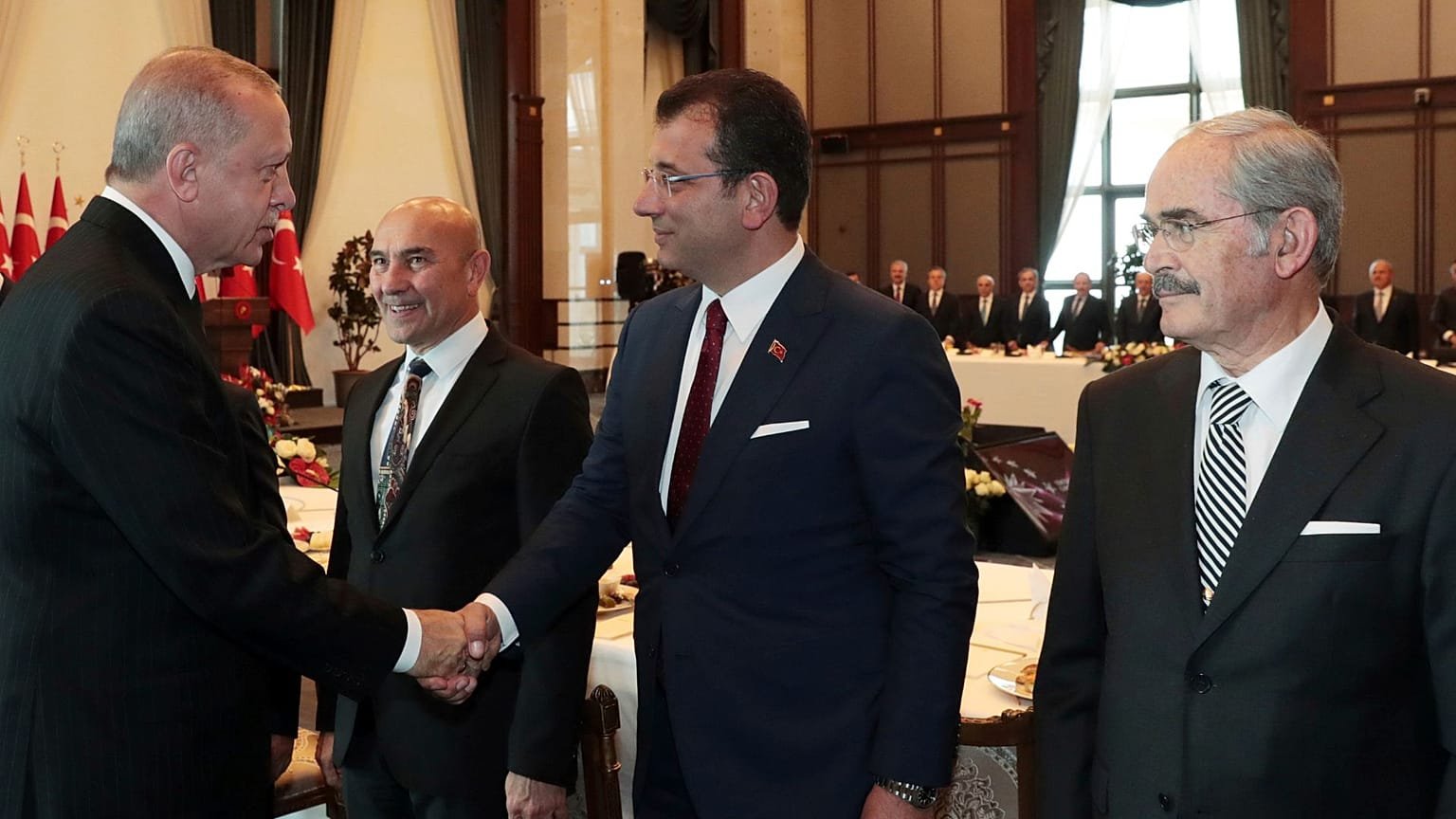
Erdogan personally presented Tugay with the party badge during a ceremony at the AK Party headquarters in Ankara on Wednesday, October 7.
The move gives the ruling party control of Izmir’s metropolitan mayor’s office for the first time since the AK Party was founded in 2001. Izmir has been governed by center-left parties since 1999 and has long been regarded as one of the strongest opposition bases in Turkey.
Tugay was elected mayor in March 2024 as a candidate of the Republican People’s Party, or CHP, receiving 48.97 percent of the vote. AK Party candidate Hamza Dağ received 37.06 percent.
Tugay resigned from the CHP in June after a court ruling related to the party’s leadership and subsequently served as an independent mayor. For months, he had publicly indicated that he would remain independent and had rejected speculation that he would join the AK Party.
At Wednesday’s ceremony, Tugay said he was joining the ruling party with confidence and emphasized the importance of cooperation between local government and the central administration. He said such cooperation could help address Izmir’s problems and improve services in the city.
The political change does not, however, give the AK Party full control of Izmir’s municipal decision-making structure.
The metropolitan municipal assembly remains dominated by opposition forces. The New Party is the largest group with 91 seats in the 184-member assembly, while the AK Party has 39 seats, the CHP 35, the Nationalist Movement Party seven, the Great Unity Party one and independents 11. No single party holds the 93 seats required for an absolute majority.
This means Tugay now represents the ruling party as mayor while the largest bloc in the municipal assembly remains in opposition hands. The division could make cooperation between the mayor’s office and the council an important issue in Izmir’s local politics.
Tugay’s move also comes amid wider changes in Turkey’s opposition political landscape. Since the 2024 local elections, a number of mayors and local officials have left opposition parties and joined the AK Party.
Opposition leaders have linked these defections to what they describe as increasing political and legal pressure on opposition municipalities. New Party leader Ozgur Ozel has accused authorities of threats, pressure and blackmail against elected officials, while the Turkish government maintains that the judiciary operates independently and rejects allegations that legal proceedings are politically driven.
The broader political context includes legal cases and arrests involving several opposition mayors. These developments have intensified debate over the relationship between Turkey’s central government and opposition-controlled municipalities.
From the Nimruz perspective, Tugay’s move is significant not because it changes the composition of the municipal assembly, but because it changes the political affiliation of the mayor of a city that the AK Party had never won through a metropolitan mayoral election.
The shift also creates an unusual institutional balance: the mayor now belongs to the national ruling party, while the largest groups in the city council remain aligned with the opposition.
That arrangement could produce both opportunities for cooperation and disagreements over budgets, urban planning, investment and municipal policy. The mayor and the council have different institutional responsibilities, meaning Tugay’s party switch does not automatically translate into full political control of the municipality.
The next phase will show whether the new alignment between the mayor and the central government leads to greater coordination over Izmir’s development priorities or produces further political confrontation with the opposition-majority council.
For now, Tugay’s decision marks a significant change in Izmir’s political landscape and gives Erdogan’s AK Party its first direct hold on the city’s metropolitan mayoral office, while leaving the balance of power in the municipal assembly largely unchanged.