
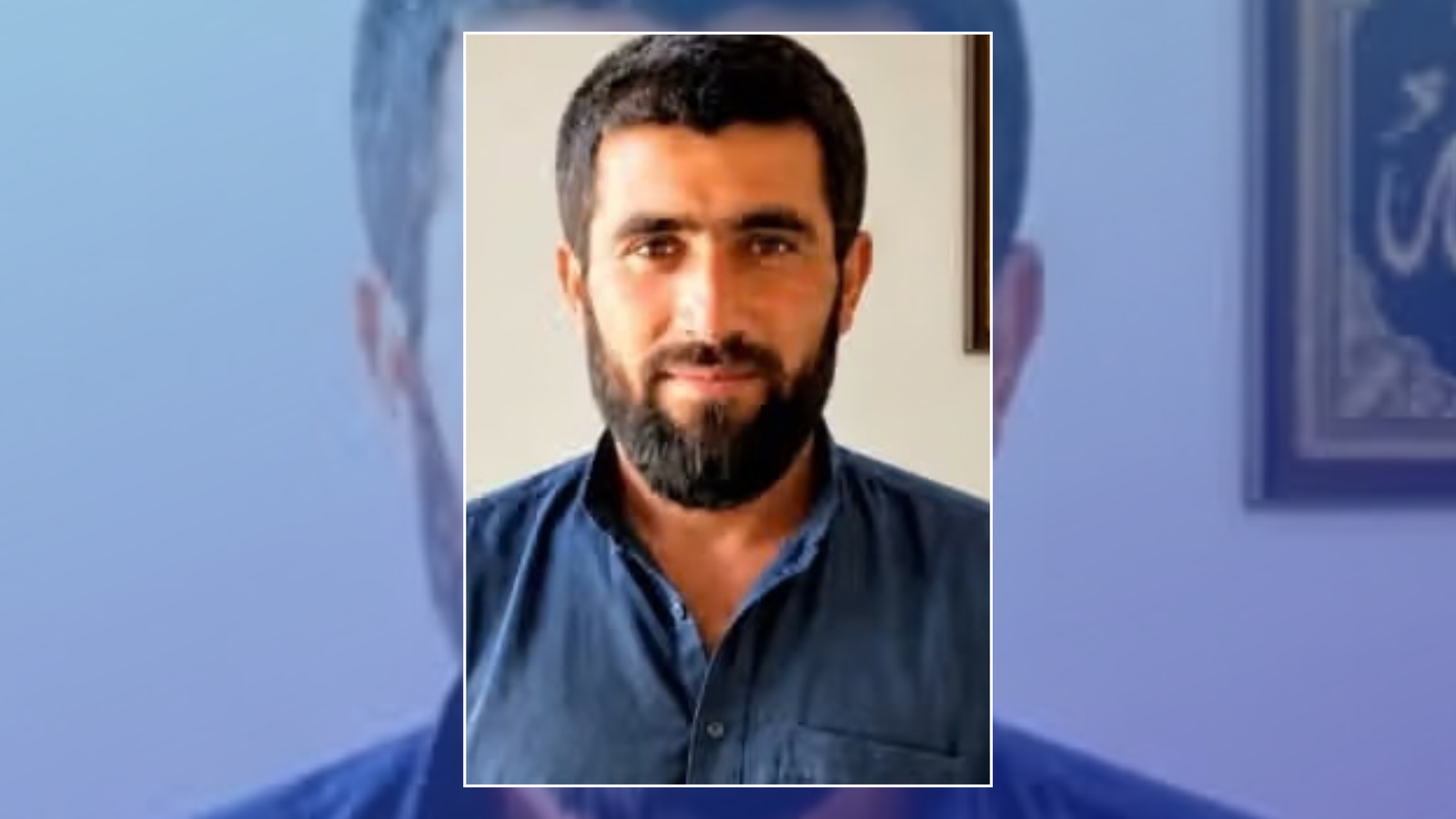
Iran has reportedly executed a 42-year-old Afghan citizen, Torat Mohammadi, in Karaj Central Prison after he was convicted on an espionage charge, according to the Hengaw Human Rights Organization.
Hengaw reported that Mohammadi was executed early on Wednesday, September 23, without prior notification to his family. The organization said he was originally from Mazar-e-Sharif, was married and had four children.
According to sources cited by Hengaw, Mohammadi had previously worked with an organization affiliated with Iran’s Islamic Revolutionary Guard Corps. He was reportedly arrested about two years ago and spent around seven months in an IRGC intelligence detention facility during interrogation before being sentenced to death.
Hengaw said Mohammadi was transferred to Karaj Central Prison six days before his execution. The organization also reported that his family and lawyer were not informed in advance of the execution and that he was denied a final meeting with his wife and children.
The Iran Human Rights Organization separately reported the same execution and identified Mohammadi as an Afghan national from Mazar-e-Sharif and a father of four. The organization described the execution as secret and said he had been sentenced to death on an espionage charge.
However, the allegations concerning the case and the circumstances of the execution have not been independently confirmed by Iranian judicial authorities or by an independent international investigation.
Hengaw also says that the number of Afghan citizens executed in Iran has increased significantly in recent years. Its figures cited in recent reporting put the number of Afghan nationals executed at 80 in 2024 and 84 in 2025, while its broader count for the current period differs from figures published by other rights organizations. Independent human rights groups also maintain different totals because executions of foreign nationals are often not officially disclosed.
The case highlights the lack of publicly available information surrounding some executions of Afghan nationals in Iran, particularly in cases involving security-related accusations. It also raises questions about access to legal representation, family notification and final visits, although the specific allegations in Mohammadi’s case remain unverified.
From the Nimruz perspective, the reported execution is significant because it involves an Afghan national accused in a security case in Iran and comes amid continuing reports by rights organizations about executions of Afghan citizens. The available information is based primarily on human rights monitoring rather than official Iranian disclosures, making independent verification an important limitation.
The case therefore remains a reported execution rather than an independently established account of the full circumstances. Further information from Iranian judicial authorities, Mohammadi’s family or legal representatives would be needed to clarify the evidence behind the espionage conviction and the procedures followed before his execution.