
Iraq has set June 30, 2027, as the deadline for bringing weapons held by armed groups outside state control under government authority, opening a new phase in Baghdad’s long-running effort to establish a state monopoly over the use of force.
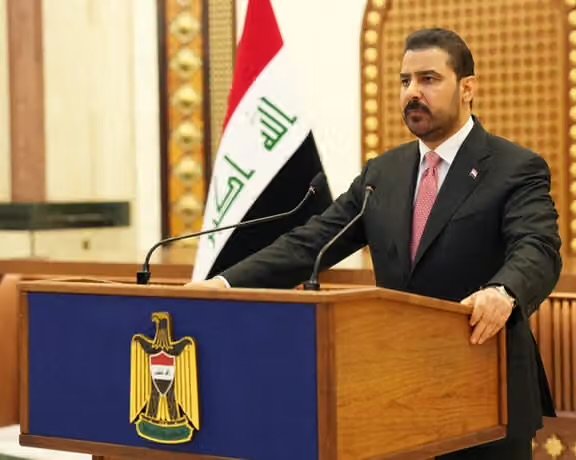
Prime Minister Ali al-Zaidi said October 1 marks the beginning of a serious process to address weapons outside state control under a clear roadmap and agreed timetable.
The government’s plan follows an earlier deadline of September 30, 2026, for armed groups to surrender their weapons. That deadline was not achieved after several powerful factions resisted the process, prompting Baghdad to extend the timetable.
Under the phased approach previously outlined by al-Zaidi, the first stage involves a 90-day halt to attacks by armed factions. The plan would then move toward a gradual handover of weapons to state authorities, with the overall process scheduled to conclude no later than June 30, 2027.
The government has also discussed integrating fighters who agree to abandon independent armed activity into Iraq’s official security institutions.
Al-Zaidi has described state control over weapons as a necessity and has linked the policy to Iraq’s constitutional principle that decisions concerning war and peace must remain with the country’s recognized state authorities.
The new timetable comes immediately after the completion of the U.S.-led coalition’s military mission in Iraq. The withdrawal of the remaining coalition forces on September 30 has shifted greater responsibility for national security onto Iraqi institutions.
The issue of armed groups is particularly complex because several militias have become deeply embedded in Iraq’s political and security structures. Some operate within or alongside the Popular Mobilization Forces, which are formally part of Iraq’s security architecture, while individual factions maintain separate command structures and political identities.
Some armed factions have indicated willingness to enter the disarmament or integration process, while more powerful groups have rejected the government’s previous deadlines or demanded additional conditions.
The disagreement has also exposed different interpretations of what “disarmament” should mean. The government is seeking to end independent armed activity and place weapons and chains of command under state authority, while some factions have argued for restructuring or integration rather than simply surrendering their weapons.
The government has been preparing institutional measures to support the process, including plans for integrating eligible fighters into state security institutions and establishing mechanisms for handling weapons surrendered by armed groups.
The June 2027 deadline therefore does not represent the completion of disarmament, but rather the endpoint of a phased political and security process whose implementation remains dependent on cooperation from the armed factions.
For Nimruz, the significance of the new timetable lies in what happens after the departure of the U.S.-led coalition. Baghdad is now attempting to demonstrate that Iraqi institutions can exercise exclusive authority over armed force while managing groups that possess significant military capabilities and political influence.
The central challenge is implementation. Setting a deadline establishes a framework, but transferring weapons, restructuring command structures and integrating willing fighters require agreement between the government and armed factions.
The coming 90-day period will therefore be particularly important for determining whether the process moves from political declarations toward concrete steps on the ground.
The June 30, 2027 deadline places the issue of weapons outside state control at the center of Iraq’s post-coalition security transition. Whether the roadmap produces actual consolidation of state authority will depend on the willingness of armed factions to participate and the government’s ability to implement the process through Iraqi institutions.