
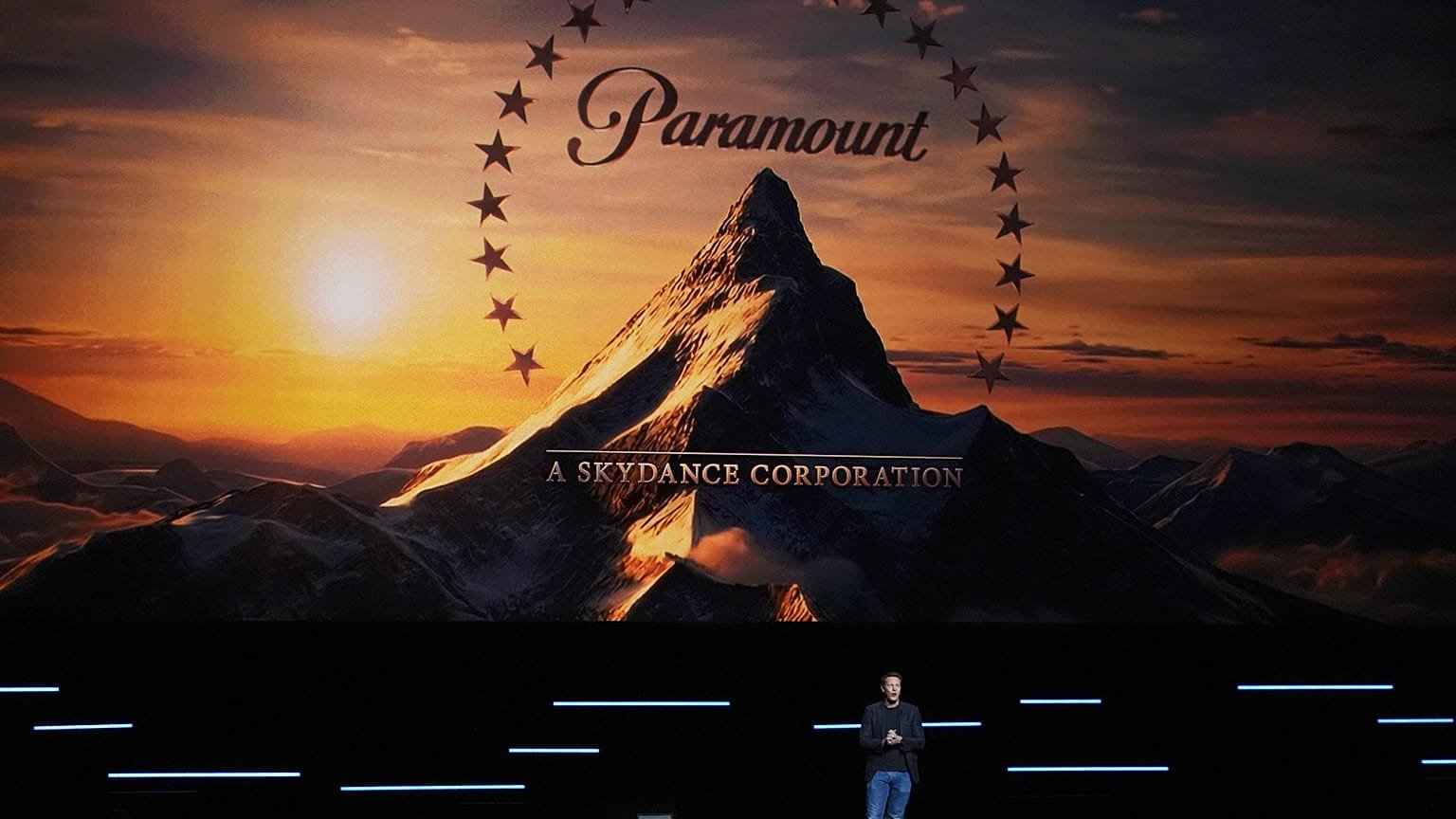
Paramount Skydance has completed its $110 billion acquisition of Warner Bros. Discovery, creating a new global entertainment company operating under the name Skydance.
The transaction officially closed on October 6 after months of negotiations, regulatory scrutiny and legal challenges. Warner Bros. Discovery is now a wholly owned subsidiary of Skydance, while Warner Bros. Discovery shares have ceased trading on Nasdaq.
The combined company brings together two major Hollywood film studios and a broad portfolio of television, streaming, news, sports and entertainment assets. Its holdings include Paramount Pictures, Warner Bros., HBO, CBS, CNN, Paramount+, HBO Max and major cable networks, alongside extensive film and television libraries.
The merger also combines some of the industry’s most recognizable franchises and intellectual properties, including Harry Potter, Superman, Star Trek, Mission: Impossible and other major film and television brands.
Skydance says the new company will operate with a focus on creativity, technology and global scale. The company has committed to producing at least 30 theatrical films annually and more than 180 television shows and series, while targeting at least $6 billion in annualized cost synergies within three years.
David Ellison, who founded Skydance, will lead the combined company as chairman and CEO. Ynon Kreiz will serve as co-CEO and focus on day-to-day management and integration of the two businesses.
The deal represents one of the largest transactions in the history of the global media industry. It comes as traditional entertainment companies face growing pressure from streaming platforms, changing viewing habits, high production costs and intense competition for subscribers and advertising revenue.
The merger is also significant because it combines major streaming businesses. Paramount+ and HBO Max will now operate within the same corporate group, giving Skydance a substantially larger content library and a broader direct-to-consumer footprint.
However, scale alone does not guarantee success. The new company inherits significant financial obligations and must integrate two large corporate structures while finding ways to reduce costs without weakening its creative businesses.
The transaction also faced opposition and antitrust scrutiny in the United States. As part of the process that allowed the deal to proceed, Skydance accepted commitments involving theatrical production, domestic investment and safeguards related to its news operations.
From the Nimruz perspective, the completion of the deal marks a major shift in the structure of the global entertainment industry. The combination gives Skydance greater control over premium film, television, streaming, news and sports assets, but it also places substantial pressure on the company to demonstrate that greater scale can translate into sustainable growth.
The central test for Skydance will now move from completing the acquisition to managing it. Integrating the two companies, controlling costs, maintaining valuable creative franchises and competing with larger technology-driven streaming rivals will determine whether this historic merger becomes a long-term competitive advantage or a costly restructuring challenge.