
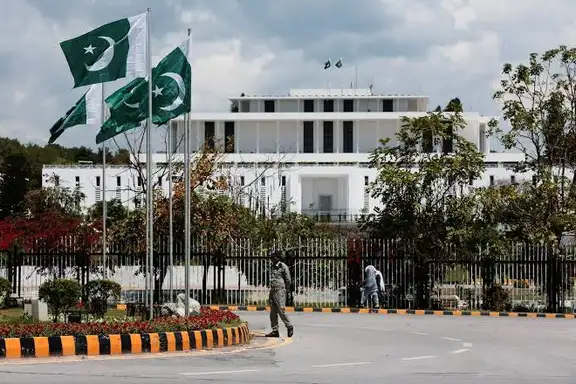
Pakistan has opened the first meeting of the Shanghai Cooperation Organisation’s Council of National Coordinators in Islamabad, launching the initial formal phase of its 2026–27 chairmanship of the organisation’s Council of Heads of State.
The meeting runs from September 28 to 30 and brings together national coordinators from SCO member states along with representatives of the organisation’s Secretariat.
Pakistan’s national coordinator is chairing the meeting, which is focused on preparing the programme of activities under Islamabad’s chairmanship, coordinating upcoming meetings and events, and reviewing other issues on the SCO agenda.
Pakistan formally assumed the rotating chairmanship following the SCO Council of Heads of State summit in Bishkek at the end of August and beginning of September.
Islamabad has placed its chairmanship under the theme “Turning Vision into Action: Connectivity, Innovation and Shared Prosperity.”
According to Pakistan’s Foreign Ministry, the chairmanship will focus on strengthening regional connectivity, promoting innovation, expanding economic cooperation and increasing people-to-people contacts among SCO member states.
The first coordinators’ meeting is therefore more than a routine administrative gathering. National coordinators play a central role in preparing and coordinating the organisation’s work, making this meeting an early test of how Pakistan intends to translate its stated priorities into the SCO’s working agenda.
Pakistan has also highlighted technology and artificial intelligence, energy, poverty reduction and disaster management as areas of interest during its chairmanship.
Connectivity is expected to remain one of the most prominent themes. Pakistan has repeatedly presented its geographic position as a potential bridge between South Asia, Central Asia, China and the wider Eurasian region.
The country has also promoted greater cooperation in transport, trade and digital infrastructure, arguing that improved connectivity could strengthen economic exchanges among SCO members.
Economic cooperation is another major element of Islamabad’s agenda. Pakistan has called for stronger trade links and practical mechanisms that can increase economic interaction among member states.
The challenge, however, will be converting these broad priorities into projects and agreements with measurable outcomes. A chairmanship can set agendas and facilitate meetings, but implementation ultimately depends on the willingness and resources of individual SCO members.
The organisation itself brings together countries with different political systems, economic interests and regional priorities. While members share interests in areas such as connectivity, security and economic cooperation, they do not always have identical positions on regional and international issues.
Pakistan’s chairmanship will therefore require coordination across a diverse membership, including China, Russia, India, Iran, Central Asian states and other members of the organisation.
The programme launched in Islamabad will lead toward a series of ministerial, expert-level and senior officials’ meetings throughout the chairmanship.
The most prominent event will be the SCO Council of Heads of State summit, which Pakistan is scheduled to host in Islamabad in August 2027.
That summit will provide the main political stage for assessing the results of Pakistan’s year-long chairmanship and the extent to which its priorities have translated into concrete cooperation.
For Afghanistan, the SCO’s agenda also carries regional relevance. Afghanistan is not a full member of the organisation, but the country’s security, economic connectivity and regional integration remain subjects of interest to several SCO members, particularly its immediate neighbours and major regional powers.
Pakistan’s chairmanship therefore unfolds at a time when regional connectivity, border security, trade routes and economic integration are closely linked to developments in Afghanistan and Central Asia.
The Islamabad meeting marks the beginning of that broader process. The immediate focus is coordination and preparation, but the longer-term question is whether Pakistan can use its chairmanship to turn the SCO’s stated objectives on connectivity, innovation and shared prosperity into practical cooperation.
The next twelve months will provide a clearer measure of whether Islamabad’s “vision into action” agenda produces concrete initiatives or remains primarily a framework for diplomatic coordination.