
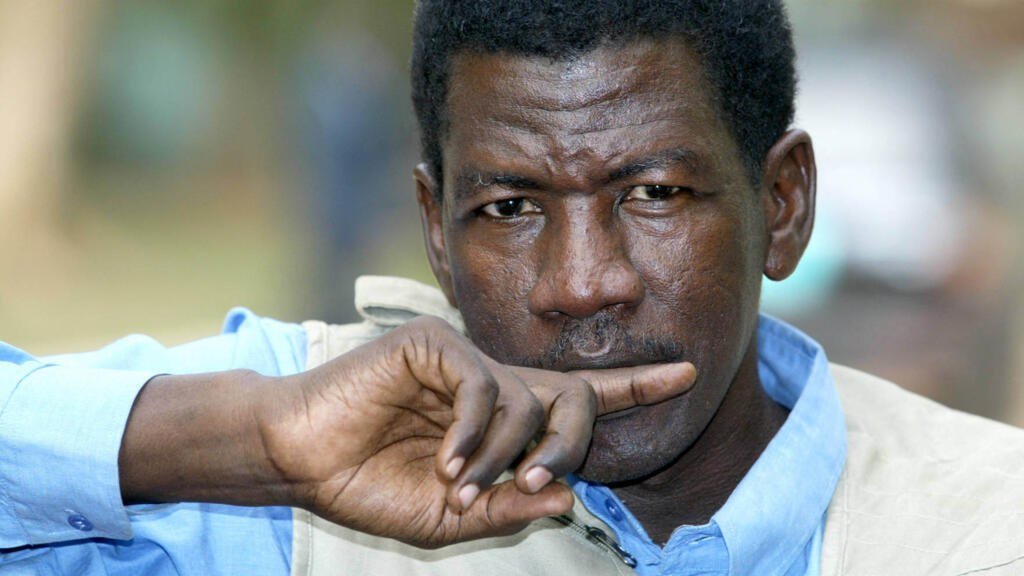
Nigerien journalist Moussa Kaka, who had been missing for nearly a month, is alive and remains in the custody of Nigerien authorities, according to Reporters Without Borders.
The press freedom organization said on Tuesday, October 6, 2026, that it established Kaka’s detention after speaking with Aliou Daouda, Niger’s minister of justice and human rights.
The statement marks the first known official confirmation from Nigerien authorities concerning the journalist’s fate since he disappeared.
Kaka disappeared on the evening of August 13 after leaving the offices of Sarraounia Radio and Television, where he worked in the capital, Niamey. No official information about his whereabouts had been made public for weeks.
Reporters Without Borders said it can now confirm that Kaka is alive but remains in detention. The organization did not provide further details about where he is being held, why he was detained or whether authorities have brought formal charges against him.
Kaka is a veteran journalist and a well-known figure in Niger’s media sector. He has worked for years covering political and security developments in the country and has also reported for international media organizations.
His detention comes amid a broader tightening of the media environment in Niger in recent years. Media organizations and press freedom groups have repeatedly raised concerns about restrictions affecting journalists and independent reporting.
The confirmation that Kaka is alive resolves one major uncertainty surrounding his disappearance, but important questions remain about his legal status and access to due process.
From the Nimruz perspective, the case is significant because the detention involves a prominent journalist whose whereabouts remained unknown for weeks before authorities acknowledged that he was in custody. The lack of publicly disclosed information about the reason for his detention, possible charges and access to legal representation remains central to concerns raised by press freedom organizations.
The next key developments will be whether Nigerien authorities disclose the legal basis for Kaka’s detention, whether his family and lawyer are granted access to him, and whether any formal charges are announced.
For now, the confirmation of his survival provides some clarity after weeks of uncertainty, while his continued detention keeps attention focused on the treatment of journalists and the wider state of press freedom in Niger.