
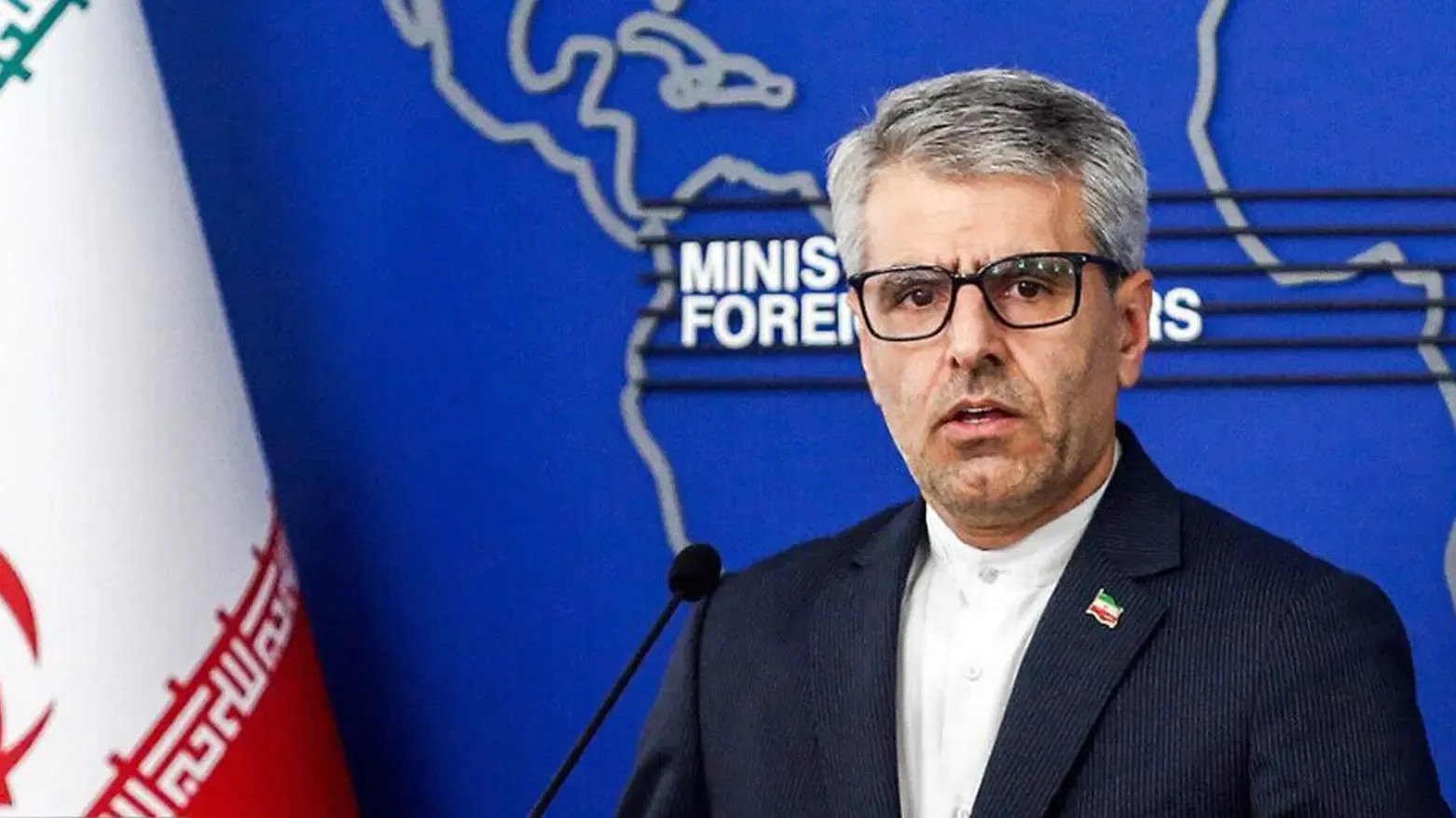
Iran has condemned a reported US strike on Sirik, accusing governments and international institutions of remaining silent or justifying attacks that Iranian officials say caused civilian casualties.
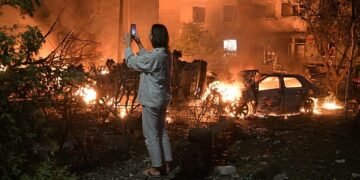
Esmail Baghaei, spokesman for Iran’s Foreign Ministry, said the strike hit a residential house in Kuhestak, Sirik, while families were celebrating a wedding.
Baghaei claimed that more than 50 men, women and children were killed or wounded.
“The danger more serious than the bomb is the normalization of bombing, and the danger more serious than silence is turning silence into legitimacy,” he said.
He also warned that Iran would respond to what he described as “these brutal crimes.”
The reported casualties have not been independently verified, and details about the target and circumstances of the strike remain unclear.
The statement comes amid continuing military exchanges between Iran and the United States and growing concerns about a wider regional escalation.
From a Nimruz perspective, the significance of Baghaei’s remarks lies in Tehran’s attempt to frame the reported strike as part of a broader problem: whether repeated attacks and civilian casualties could gradually become normalized in the international response to the conflict.
If the reported civilian casualties are independently confirmed, pressure could increase on the parties involved to explain the military objectives of the attack and demonstrate compliance with international humanitarian law.
The larger danger is that continued military escalation could create a cycle in which every new strike becomes justification for another response, increasing civilian risks and further reducing the space for diplomacy.