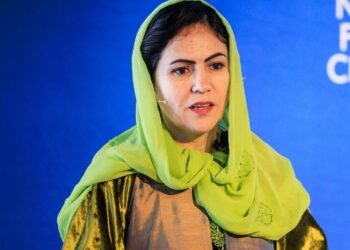

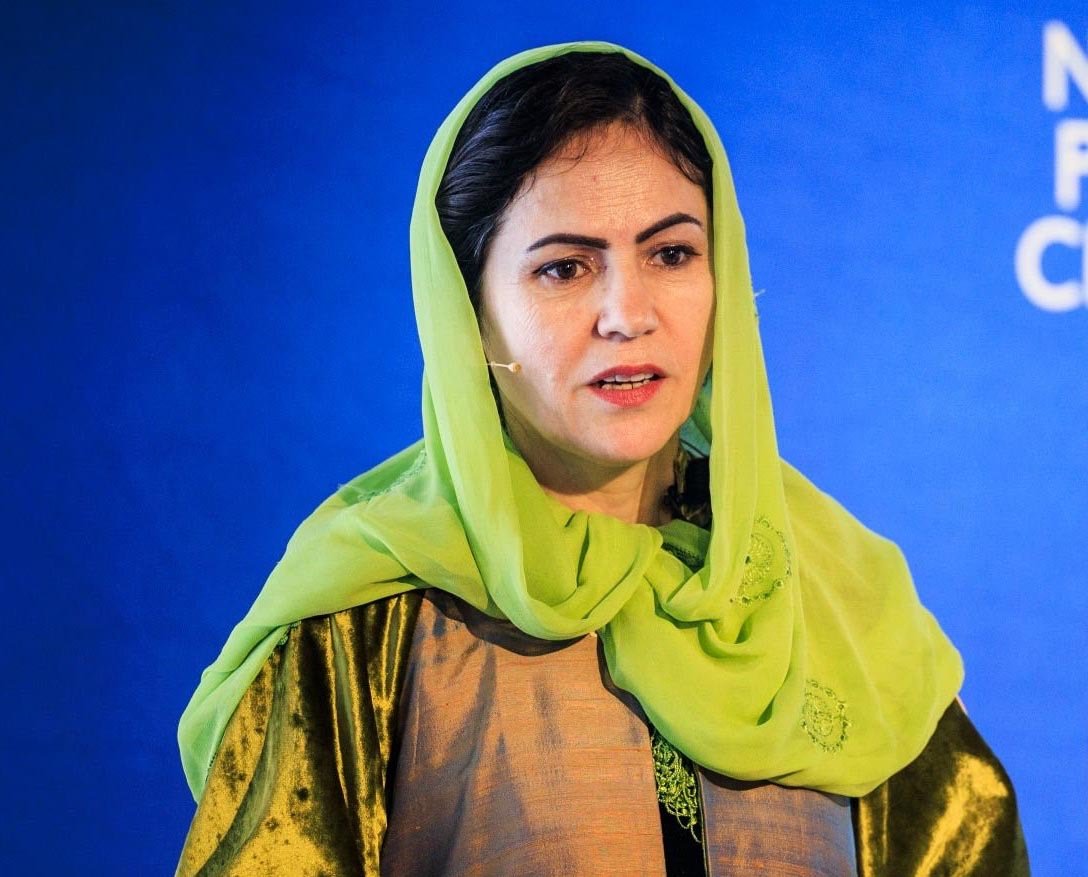
Former Afghan parliamentarian Fawzia Koofi has called for accountability over the absence of enforceable guarantees for women’s rights in the 2020 Doha Agreement between the United States and the Taliban, arguing that the omission helped create conditions in which the group could expand restrictions on Afghan women and girls.
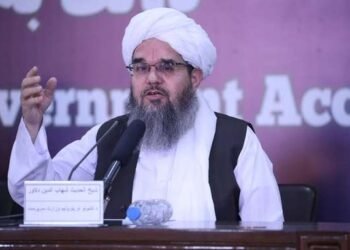
Koofi’s comments followed recent remarks by Shahabuddin Delawar, a senior Taliban figure who participated in the Doha negotiations. Delawar said the agreement did not include commitments on women’s rights, human rights or the future political system. His remarks have prompted criticism from Afghan political figures who argue that the negotiations failed to establish effective safeguards for fundamental freedoms.
In a post on X on Saturday, October 10, Koofi called on American negotiators to explain why explicit and binding protections for women were not secured during the talks. She argued that without clear commitments and mechanisms for accountability, promises about women’s education and employment could not be effectively enforced.
Koofi also referred to earlier public statements by Taliban representatives, including comments at meetings in Moscow in February 2019, when they reportedly spoke about women’s access to education up to doctoral level and employment in government institutions. She questioned why such statements were not translated into enforceable commitments during the Doha process.
Her criticism comes amid continuing restrictions imposed by the Taliban on women and girls, including the exclusion of girls from secondary education and women from universities, alongside restrictions on employment and public life. Koofi maintains that a political settlement should not come at the expense of women’s dignity, freedoms and fundamental rights.
Nasir Ahmad Andisha, Afghanistan’s permanent representative to the United Nations Office in Geneva, also criticized Delawar’s comments. Andisha argued that they reinforced concerns about the Taliban’s willingness to honor political and international commitments. In a strongly worded statement, he described the group’s pursuit of power as the central objective behind its use of conflict and negotiations, and challenged those who continue to view political dialogue with the Taliban as a path to meaningful compromise.
The dispute highlights a key limitation of the Doha Agreement: the text focused on issues including the withdrawal of foreign forces and security commitments, but did not establish a detailed, enforceable framework guaranteeing women’s rights. The absence of such provisions does not itself determine every subsequent Taliban policy, but it raises questions about what protections negotiators secured and how commitments could have been monitored or enforced.
For Nimruz, the central issue is not only what was included in the agreement, but also who should be held accountable when fundamental rights are left without practical safeguards. The experience of Afghan women demonstrates the importance of making human rights obligations explicit, measurable and subject to independent monitoring in any future political settlement. Without credible enforcement mechanisms, promises made during negotiations can remain disconnected from the rights people are able to exercise in everyday life.