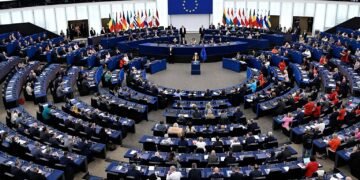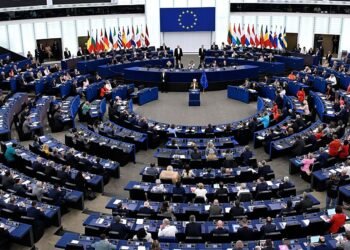

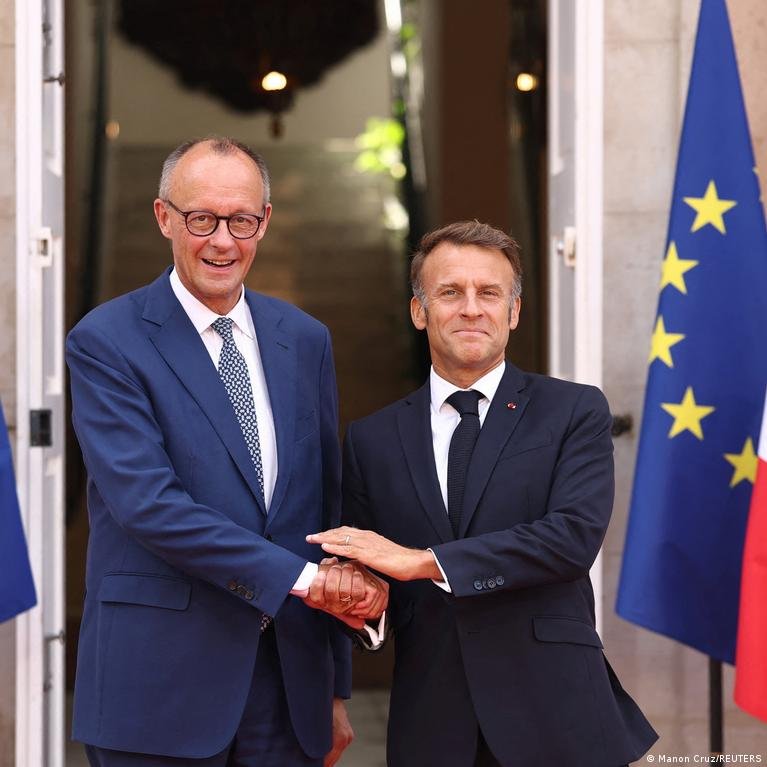
France, Germany, and several other European Union member states are reportedly examining proposals to reform the EU’s diplomatic service, a move that could reshape the bloc’s foreign policy structure and decision-making process.
According to a report by the Financial Times citing senior European officials, the discussions are aimed at improving the European Union’s ability to respond more rapidly and effectively to increasingly complex geopolitical crises.
The proposals under consideration could reduce some of the powers currently held by Kaja Kallas, the EU’s High Representative for Foreign Affairs and Security Policy, as well as the European External Action Service (EEAS), the bloc’s diplomatic arm.
Under the reported plans, certain responsibilities could be transferred back to the European Commission or to the governments of individual member states.
European diplomats familiar with the discussions say some capitals have become increasingly dissatisfied with the current structure, arguing that the EU’s foreign policy machinery has not always been able to respond efficiently to major international challenges.
The European External Action Service was established in 2011 as part of efforts to strengthen coordination among member states and provide the European Union with a more unified international voice. Since then, it has become one of the bloc’s most important diplomatic institutions, operating through a global network of delegations and diplomatic missions.
However, critics argue that overlapping responsibilities, complex decision-making procedures, and differing national interests have sometimes limited its effectiveness during international crises.
Supporters of reform believe that adapting the structure could improve coordination between Brussels and national governments, strengthen crisis management capabilities, and allow the European Union to react more quickly to rapidly changing global events.
At this stage, no final decisions have been made, and consultations among member states remain ongoing. European Union institutions have not publicly commented in detail on the reported proposals.
The debate reflects broader questions about the future of European foreign policy at a time when the continent faces growing challenges ranging from regional conflicts and security threats to geopolitical competition among major global powers. The outcome of these discussions could influence how the European Union projects its diplomatic influence in the years ahead.