
The Wall Street Journal reports that new conditions set by Iran for reopening the Strait of Hormuz are complicating the Trump administration’s efforts to reach an agreement and bring the conflict to an end.
According to the newspaper, U.S. President Donald Trump has discussed with senior advisers in recent weeks the possibility of withdrawing the United States from the war even without securing a nuclear agreement with Tehran, provided Iran fully reopens the strategic waterway.
As nuclear negotiations have become more difficult, the White House has increasingly focused on reopening the Strait of Hormuz, with Trump seeking a potential political achievement that could help provide a path toward ending the conflict.
That effort has become more complicated following Tehran’s demands for reopening the strait.
Mohammad Bagher Zolghadr, secretary of Iran’s Supreme National Security Council, said on August 8 that the Strait of Hormuz would remain closed until the United States “corrects” its conduct toward Iran.
According to Zolghadr, Tehran’s conditions include an end to U.S. threats, an end to the war against Iran and its allies, the lifting of the maritime blockade, the withdrawal of U.S. forces from areas surrounding Iran, compensation for losses from the two wars, the removal of sanctions and the release of frozen Iranian assets.
The Wall Street Journal says the demands could further narrow Trump’s options for ending the conflict and suggest that Tehran may be preparing for a prolonged confrontation.
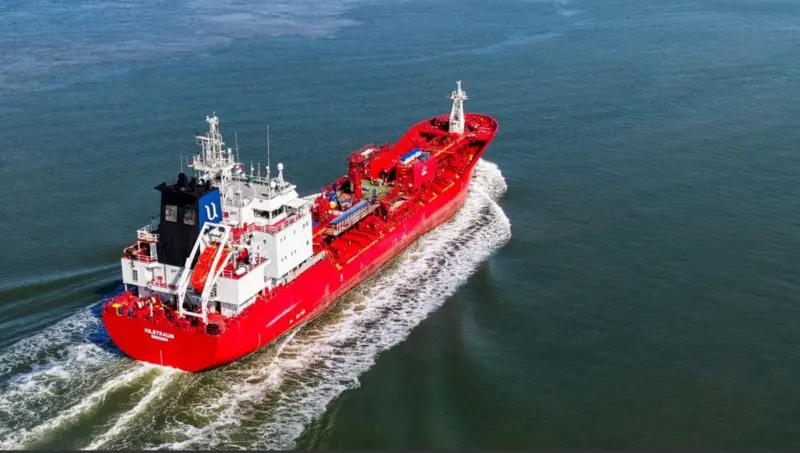
The Strait of Hormuz is one of the world’s most important energy routes, carrying a significant share of global oil and gas shipments. Any sustained disruption to maritime traffic through the waterway could therefore have consequences for energy markets and the broader global economy.
For now, the two sides remain divided over the conditions for reopening the strait, leaving uncertain whether Washington and Tehran can reach an arrangement acceptable to both sides.