
The head of the United Nations Committee on the Rights of the Child has warned that a newly enacted Taliban regulation concerning marriage risks legitimizing child marriage, particularly for girls, and conflicts with Afghanistan’s international human rights obligations.
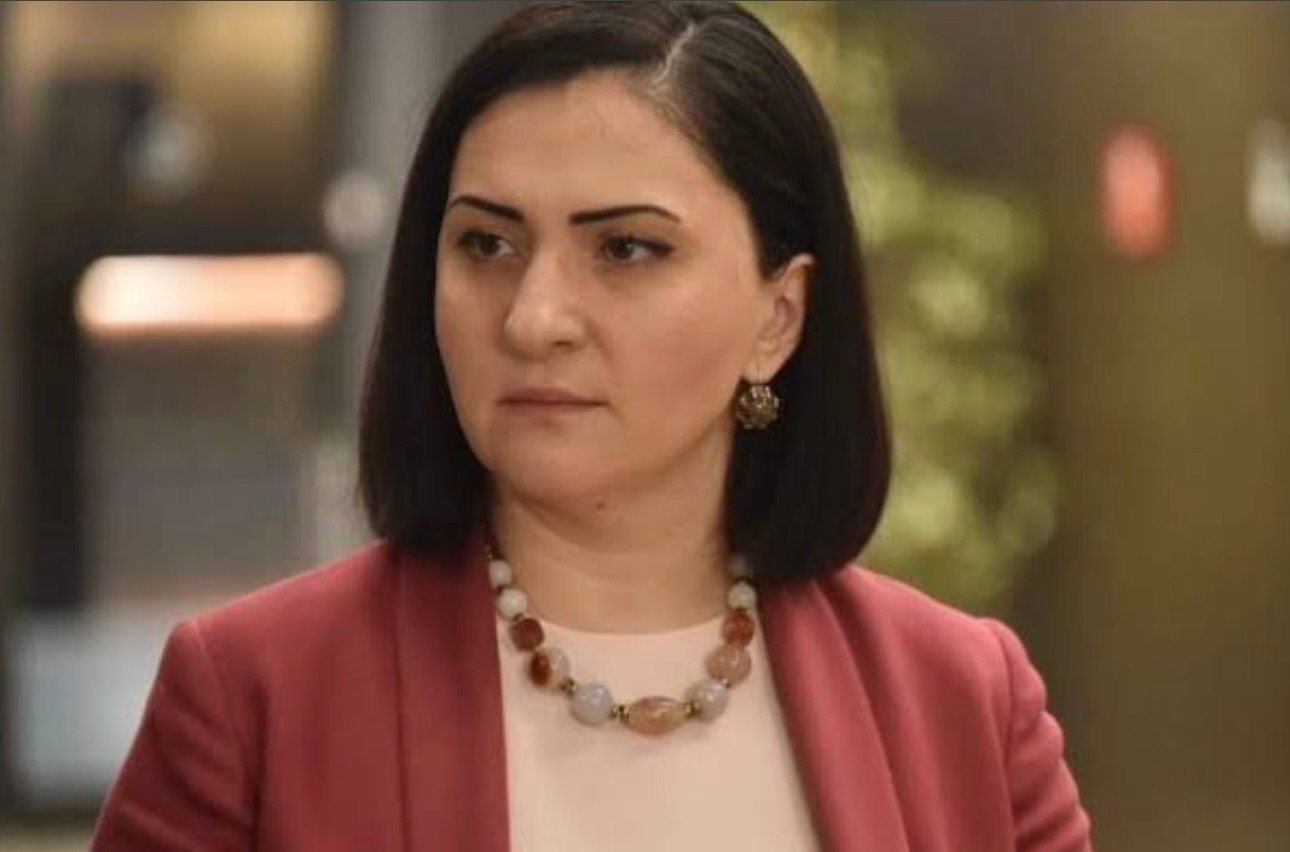
Sophie Kiladze, Chair of the UN Committee on the Rights of the Child, told Arab News on Saturday that child marriage should not be viewed as a cultural, traditional, or private matter, but rather as a fundamental issue of children’s rights.
Kiladze described the Taliban’s new regulations as a direct challenge to internationally recognized standards protecting children. She stressed that the Taliban’s lack of international recognition does not remove Afghanistan’s obligations under international human rights treaties.
“Child marriage is not a cultural, traditional, or private issue. It is a child rights issue,” Kiladze said.
The criticism follows the publication of the Taliban’s new family-related regulations, known as the Principles on Separation of Spouses, which were approved by Taliban leader Hibatullah Akhundzada and officially published by the Ministry of Justice in May.
The document addresses issues including marriage, divorce, child custody, and family disputes. However, one of its most controversial provisions concerns consent in marriage.
Under the regulation, a girl’s silence after reaching puberty may be interpreted as consent to marriage. Critics argue that such a provision weakens safeguards designed to ensure free and informed consent and could increase the risk of forced or child marriages.
Kiladze rejected the notion that puberty can be equated with adulthood or legal capacity to marry. She emphasized that under the Convention on the Rights of the Child, every person under the age of 18 is considered a child and lacks the full legal maturity required to make independent decisions regarding marriage.
According to the UN official, the regulation could affect multiple fundamental rights simultaneously, including the rights to education, health, protection from violence, and participation in decisions that shape a child’s future.
She also highlighted what she described as a direct connection between restrictions on girls’ education and the risk of early marriage. Girls who remain in school, she said, are significantly less likely to be subjected to forced or child marriage.
The Committee on the Rights of the Child has previously called on the Taliban to repeal laws and policies that facilitate child marriage and to adopt stronger protections for girls and children throughout Afghanistan.
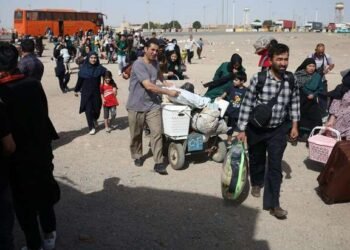
The controversy comes amid continuing international criticism of restrictions imposed on Afghan women and girls since the Taliban returned to power in 2021. Education, employment, freedom of movement, and participation in public life remain central points of concern for human rights organizations and international institutions.
Beyond the legal debate itself, the issue reflects a broader struggle over the future rights and opportunities of Afghan girls. Human rights advocates argue that policies affecting education and family law are closely linked, warning that limitations in one area can significantly increase vulnerability in another. As international scrutiny intensifies, the debate over child marriage has become part of a larger conversation about Afghanistan’s commitments to protecting children and upholding internationally recognized human rights standards.