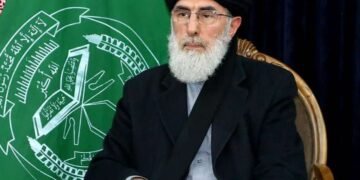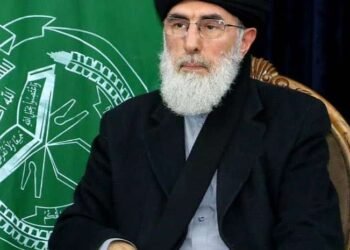

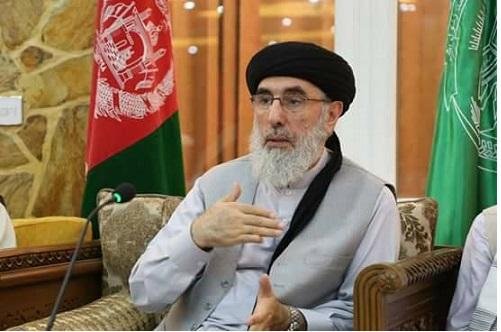
Gulbuddin Hekmatyar, leader of Afghanistan’s Islamic Party, has publicly rejected child marriage, arguing that the practice is inconsistent with both human nature and the teachings of the Quran.
In a newly published article titled “Is Marriage of a Minor Girl Permissible?”, Hekmatyar said that parents do not have the right to force their children into marriage and that genuine consent is a fundamental requirement of a valid marriage.
He described marriage as an important religious and social contract between a man and a woman, intended to build a healthy family, raise children and strengthen society rather than merely satisfy personal desires.
According to Hekmatyar, reaching puberty alone is not sufficient for marriage. He argued that intellectual maturity, sound judgment and the ability to manage family responsibilities are equally important conditions. He said the Quran emphasizes not only physical maturity but also the concept of “rushd,” or mental and social maturity, as a prerequisite for major life decisions.
The Islamic Party leader warned that forced marriages often lead to serious social and family problems. He stressed that parents should not impose their personal wishes on their children and that both men and women must freely consent to marriage.
In another section of the article, Hekmatyar criticized certain religious interpretations that have been used to justify marriage at very young ages. He argued that some commonly cited views are inconsistent with Quranic principles, reason and human nature.
The article was published amid growing debate over the Taliban’s recently approved “Principles of Separation Between Spouses” regulation. One of the most controversial aspects of the document concerns the recognition of child marriage under provisions relating to marriages involving minors. The regulation has drawn criticism from human rights organizations and international bodies concerned about the protection of children and women’s rights in Afghanistan.
Hekmatyar also addressed the rights of widowed and divorced women, stating that no individual, including former husbands or family members, has the authority to prevent a woman from remarrying. He argued that women should be able to make independent decisions regarding marriage and should not be subjected to pressure or coercion from relatives or community members.
The remarks are notable because they come from one of Afghanistan’s most influential Islamist political figures at a time when issues related to women’s rights, child marriage and personal freedoms remain at the center of national and international debate.
While discussions surrounding marriage laws and women’s rights continue to divide opinion in Afghanistan, Hekmatyar’s article introduces a religious argument against child marriage and forced marriage, emphasizing consent, maturity and personal choice as essential principles of Islamic marriage.