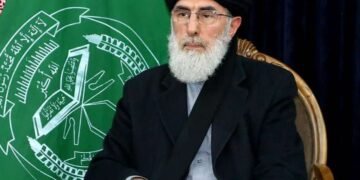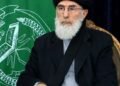

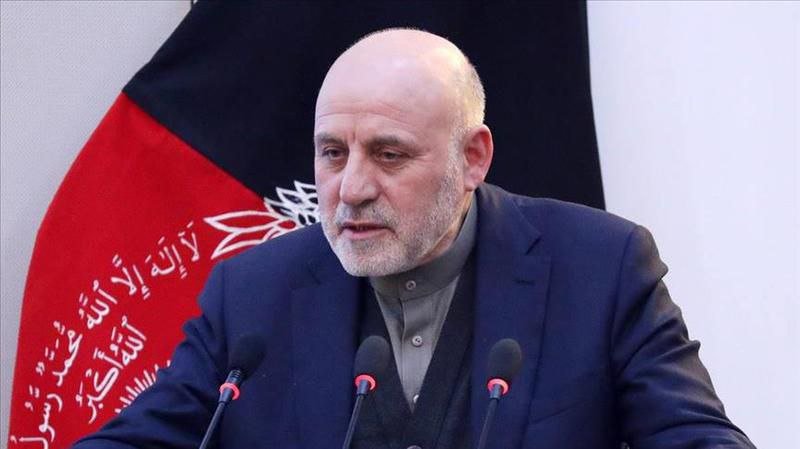
Former Afghan Interior Minister Omar Daudzai has described the recent unrest in Herat and Badakhshan as developments of significant political importance, arguing that both provinces have historically played influential roles in shaping major political transformations in Afghanistan.
In a statement published on his Facebook page on Tuesday, Daudzai said Herat and Badakhshan possess a long history of what he described as “king-making and king-changing,” suggesting that political developments in the two provinces have often had consequences beyond their local boundaries.
Referring to a well-known Afghan saying that many conflicts emerge over “women, wealth, and land,” Daudzai argued that the current tensions in the two provinces appear to be linked to similar underlying issues.
According to him, the unrest in Badakhshan is largely connected to disputes surrounding natural resources and gold mining activities, while growing dissatisfaction in Herat has been fueled by Taliban policies affecting women and restrictions imposed on their presence in public life.
Daudzai said recent actions against women in Herat have generated widespread anger among residents and should not be viewed as an isolated or ordinary event. He argued that the protests reflect broader concerns within society and deserve closer attention.
The former minister also suggested that recent developments in both provinces contain deeper and more complex dimensions than what is immediately visible, warning against simplistic interpretations of the unrest.
In one of the most widely discussed parts of his statement, Daudzai addressed the issue of women’s dignity and social status. He wrote that while hijab is intended to protect the honor and dignity of women, humiliating an entire society in the name of protecting honor represents, in his words, a sign of ignorance and poor judgment.
Daudzai further emphasized the strategic significance of Herat and Badakhshan, noting that both provinces occupy important geographic and geopolitical positions within Afghanistan.
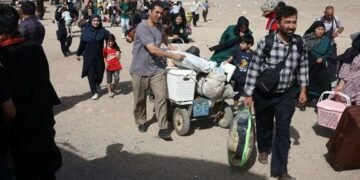
His comments come amid reports of expanding public protests in Herat following the detention of women and growing criticism of Taliban restrictions. At the same time, tensions have also been reported in Badakhshan, where local residents and Taliban authorities have faced disagreements over security, governance, and resource-related issues.
The remarks highlight how recent events in Herat and Badakhshan are increasingly being viewed not only as local disputes but also as developments that could carry wider political implications for Afghanistan. As public frustration, economic challenges, and social tensions continue to intersect, observers are closely watching whether unrest in these historically influential provinces could signal broader shifts in the country’s political landscape.