
The United Nations Assistance Mission in Afghanistan (UNAMA) has expressed concern over the detention of women by Taliban authorities in Herat, warning that the incidents raise serious human rights concerns and renewed questions about fundamental freedoms in Afghanistan.
In a statement issued on Sunday, UNAMA said that arresting women because of their clothing raises important concerns regarding the protection of basic rights and freedoms. The mission urged the Taliban to respect the fundamental rights of all citizens without discrimination and reaffirmed the principle of equality before the law.
“We remind the de facto authorities that all people have the right to freedom of movement and that women and men are entitled to equal protection under the law,” the statement said.
The reaction comes as reports continue to emerge from Herat of women being detained during operations linked to the enforcement of Taliban dress-code regulations.
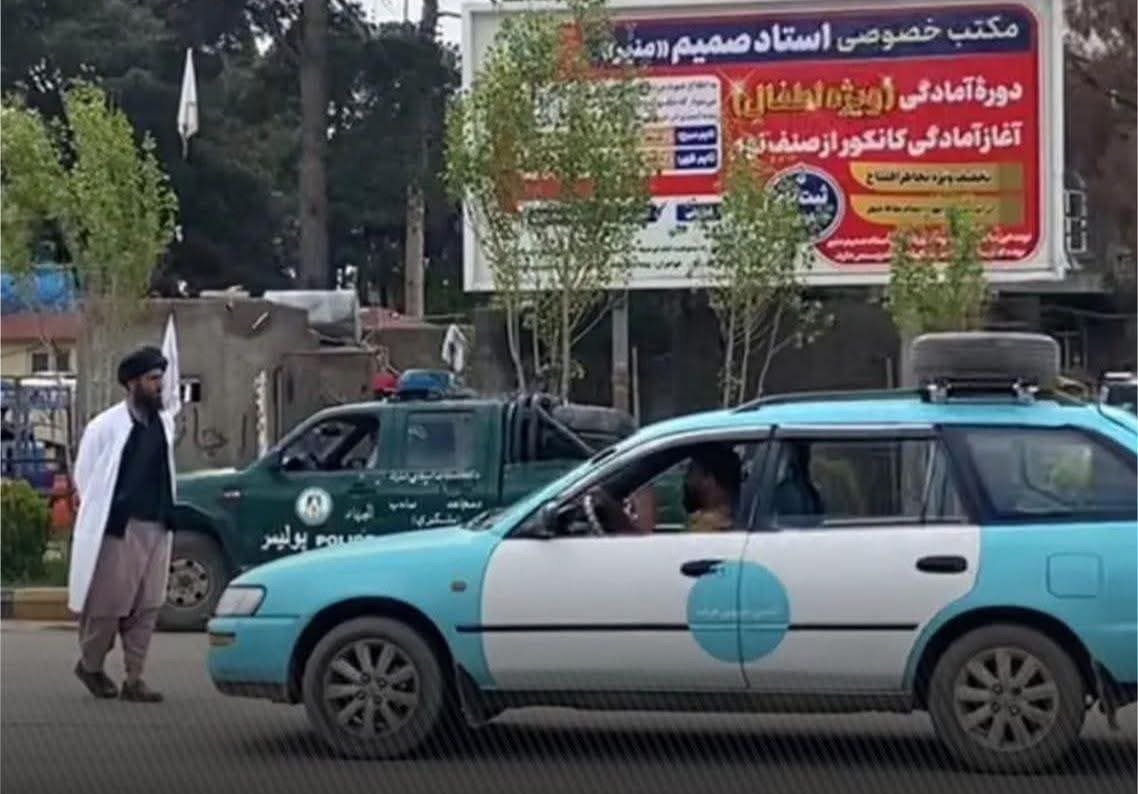
Local sources say Taliban authorities have detained at least 20 women across different parts of Herat over the past two days. Residents also report that new restrictions have been imposed on women’s movement. Drivers of public transportation, including taxis and rickshaws, have reportedly been instructed not to transport women who are unaccompanied by a male guardian or whose clothing does not meet Taliban requirements.
The detentions follow warnings issued by the Taliban’s Ministry for the Propagation of Virtue and Prevention of Vice in Herat, which had announced that women who failed to comply with approved dress standards could face removal from public spaces and possible detention.
Witnesses and local residents, however, claim that some of the detained women were already wearing full-body coverings and were arrested because their appearance did not conform to the specific standards enforced by Taliban officials.
The Taliban have not publicly responded to UNAMA’s concerns or addressed the reports of the arrests.
The developments have triggered growing domestic and international criticism. Human rights organizations, civil society activists, and a number of Afghan diplomatic representatives abroad have voiced concern over the detentions, arguing that they represent a further tightening of restrictions on women’s participation in public life.
The controversy extends beyond the issue of clothing itself. Critics argue that the arrests reflect a broader pattern of increasing limitations on women’s freedom of movement, access to public spaces, education, employment, and civic participation since the Taliban returned to power in 2021.
For the international community, the events in Herat are likely to reinforce concerns about Afghanistan’s human rights trajectory at a time when relations between the Taliban and much of the world remain strained. For many Afghan women, however, the issue is more immediate: the growing uncertainty over how far restrictions on their daily lives may continue to expand.
As pressure mounts from international organizations and rights advocates, the response of Taliban authorities to these concerns may become another key test of Afghanistan’s relationship with the wider world and its willingness to address mounting criticism over women’s rights.