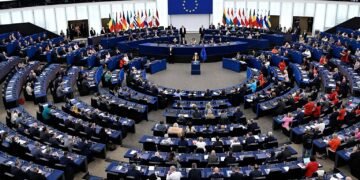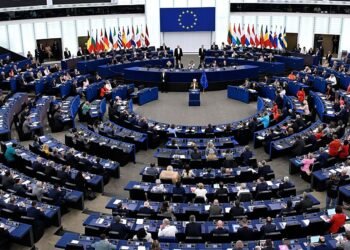

Belgium’s Ministry of Foreign Affairs has responded to growing calls for the cancellation of a proposed Taliban delegation visit to Brussels, stating that decisions regarding official meetings and invitations fall under the authority of European Union institutions.
Laurens Swinnen, spokesperson for the Belgian Foreign Ministry, told Afghanistan International that European bodies determine which meetings are held and which representatives are invited to participate.
He emphasized that the attendance of representatives from entities or governments not formally recognized by Belgium does not automatically imply diplomatic recognition by the Belgian state.
According to Swinnen, if Belgium attempted to individually approve or reject every invitation issued by European institutions, Brussels’ role as an international diplomatic hub would be undermined.
The remarks come amid increasing opposition to the proposed visit from Afghan citizens, human rights activists and civil society organizations across several countries, including Afghanistan, Germany, France, Canada, Sweden, Austria, Spain and Belgium.
Critics argue that any formal engagement with Taliban representatives risks being interpreted as political legitimization of the group, particularly as concerns continue over the treatment of women and girls in Afghanistan.
The Belgian Foreign Ministry also stated that no formal visa applications have yet been submitted by members of a potential Taliban delegation.
According to the ministry, a list of prospective delegates was received several weeks ago and preliminary security reviews have begun, but no visa files have officially been opened.
Belgian officials stressed that even if the visit ultimately takes place, it should not be viewed as a step toward formal recognition of the Taliban.
Meanwhile, more than 80 international human rights organizations, several members of the European Parliament and prominent figures including Malala Yousafzai have expressed concern about the planned engagement and called for a review of the invitation and visa process.
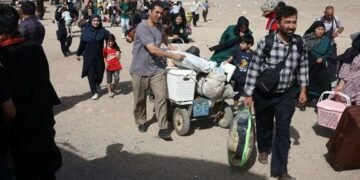
In a separate statement, Belgium also highlighted the need for a coordinated European migration policy, arguing that the return of migrants should be managed through a unified, fair framework consistent with international obligations.
The debate over the proposed Taliban visit continues to generate political and public attention across Europe as discussions surrounding migration, diplomacy and human rights remain closely intertwined.