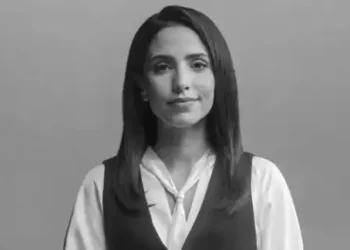

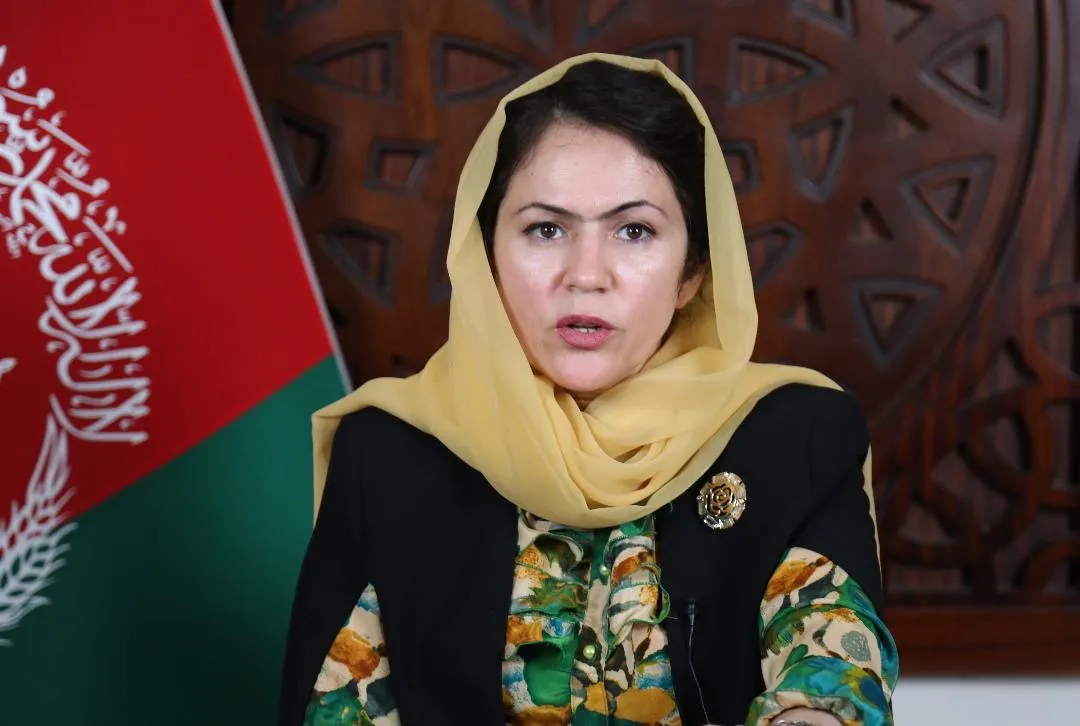
Former Afghan parliamentarian Fawzia Koofi has welcomed the extension of the United Nations Assistance Mission in Afghanistan (UNAMA), calling on the organization to maintain neutrality and engage constructively with all parties involved in Afghanistan.
In a statement issued following the renewal of UNAMA’s mandate, Koofi expressed hope that the mission would continue to operate in accordance with the responsibilities outlined in United Nations Security Council resolutions.
She emphasized that UNAMA should uphold its impartial role while working with all relevant Afghan stakeholders to support stability, human rights and political dialogue.
Koofi also welcomed what she described as a change in the wording of the latest Security Council resolution concerning the Taliban. According to her, references previously describing the group as the “de facto authorities” have been replaced with the term “relevant authorities.”
The women’s rights advocate argued that such language reflects a more balanced approach and aligns with the principle of neutrality expected from international institutions.
She further urged UNAMA to continue constructive engagement with all Afghan actors in accordance with United Nations Security Council Resolution 1325, which focuses on women, peace and security and highlights the importance of women’s participation in conflict resolution and peacebuilding processes.
The United Nations Security Council on Monday approved a resolution extending UNAMA’s mandate until 18 June 2027.
Under the renewed mandate, UNAMA will continue operating under the leadership of the UN Secretary-General’s Special Representative and in close consultation with Afghanistan’s political stakeholders, including the Taliban.
UNAMA remains one of the most important United Nations missions in Afghanistan and plays a central role in coordinating humanitarian assistance, monitoring human rights conditions and supporting political engagement efforts.
The mission’s future activities are expected to remain closely watched by Afghan political figures, civil society organizations and international partners as Afghanistan continues to face significant political, economic and humanitarian challenges.