
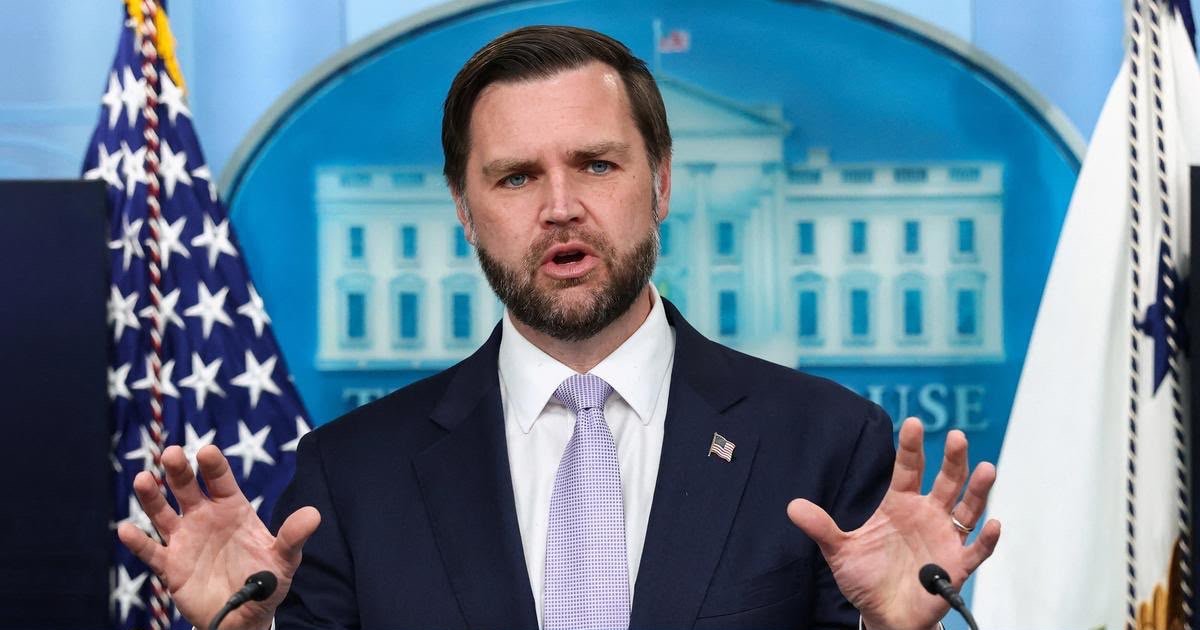
US Vice President JD Vance has stated that no frozen Iranian assets will be released if Washington and Tehran reach a future agreement, signaling a tougher economic framework than previous arrangements between the two countries.
Speaking about the structure of a potential deal, Vance said the agreement is being designed in a way that could provide Iran with specific economic benefits if it fully complies with its commitments. However, he emphasized that those benefits would not come through the direct release of blocked Iranian funds.
The vice president did not provide further details about the mechanism being considered by the administration but stressed that any economic incentives would remain conditional on Iran’s complete implementation of its obligations.
Vance’s remarks come as signs of progress have emerged in negotiations between Tehran and Washington.
Earlier, Iranian Foreign Minister Abbas Araghchi said a possible agreement between the two countries had “never been this close” to finalization, raising expectations that diplomatic efforts may be approaching a decisive stage.
The issue of frozen Iranian assets has long been one of the most politically sensitive aspects of negotiations between the United States and Iran. Critics of previous agreements argued that releasing Iranian funds provided Tehran with significant financial benefits without guaranteeing lasting changes in policy.
Formerly and throughout his political career, President Donald Trump repeatedly criticized the release of Iranian assets under earlier diplomatic arrangements, describing such measures as one-sided concessions.
Vance’s latest comments suggest that the current administration is seeking to craft a framework that offers economic incentives while avoiding direct transfers of blocked financial resources. The approach may also be aimed at limiting domestic political criticism from opponents of any future agreement with Iran.
Despite growing speculation about progress in the talks, neither Washington nor Tehran has released the full details of a potential agreement, and significant questions about its final structure remain unanswered.
The latest statements indicate that economic relief, sanctions-related issues, and mechanisms for ensuring compliance are likely to remain central elements of any future deal between the two sides.