
The United States has accused the Taliban of failing to uphold key international commitments on counterterrorism, signaling that Washington remains deeply skeptical about any move toward broader normalization with the group.
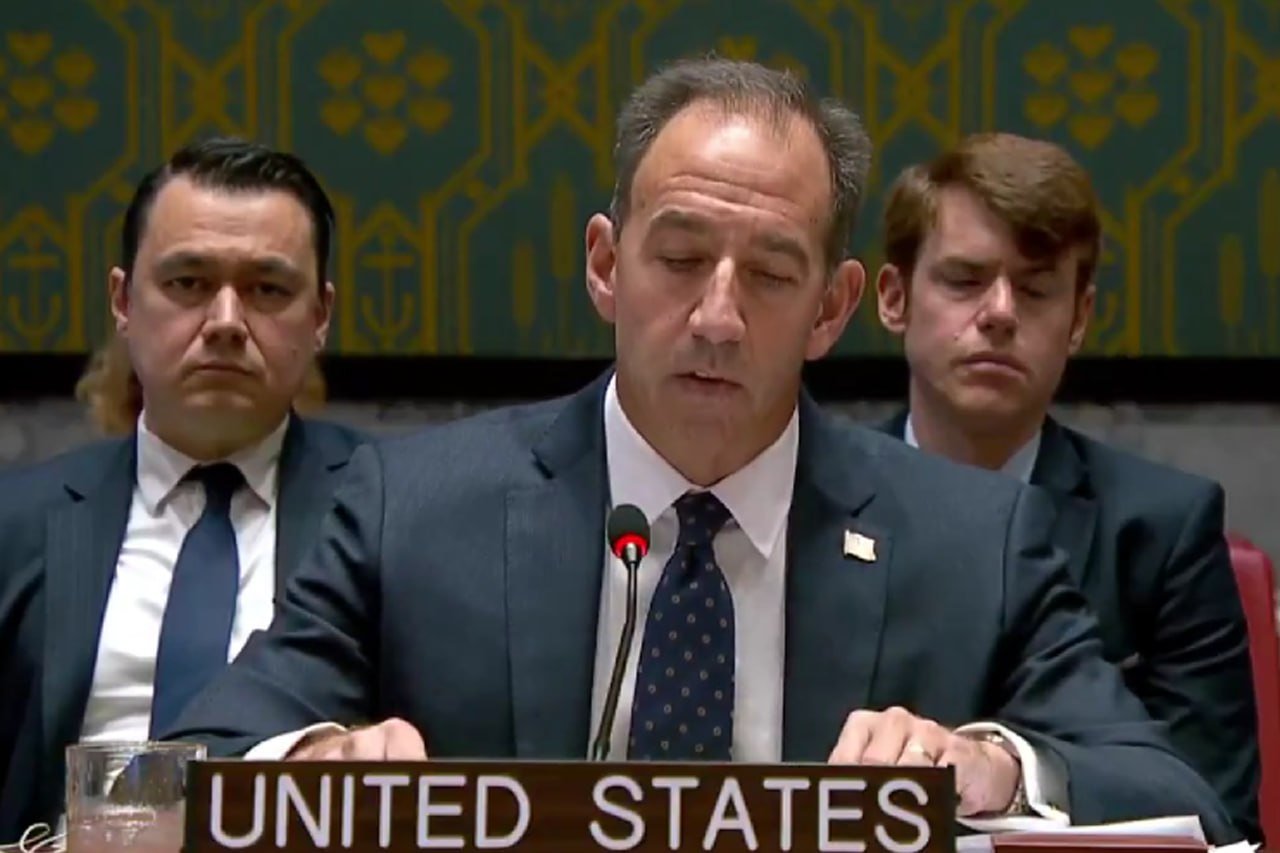
Speaking during a United Nations Security Council meeting on Afghanistan, Jeffrey Bartos, the US representative, said the Taliban had not met important obligations related to international security and counterterrorism. He alleged that the group had detained American citizens, provided sanctuary to terrorist organizations, and failed to fully implement commitments aimed at preventing extremist threats.
Bartos stressed that any meaningful progress toward normalizing relations with the Taliban would depend on measurable changes in the group’s behavior and tangible progress within the framework of the Doha process.
According to the US representative, the international community cannot move forward with deeper engagement or normalization unless clear commitments are fulfilled and concrete actions demonstrate a willingness to address longstanding concerns.
His remarks come as governments and international organizations continue to debate how to engage with Afghanistan’s de facto authorities nearly five years after the Taliban’s return to power. While some countries have expanded diplomatic contacts and practical cooperation with the Taliban, formal recognition remains a highly contested issue.
The Taliban have consistently rejected accusations that Afghanistan is being used as a base for terrorist activities. Taliban officials maintain that they do not permit any individual or group to use Afghan territory to threaten other countries and argue that security across the country has improved under their rule.
Despite those assurances, the United States and several Western governments continue to express concerns about the presence and activities of militant groups in Afghanistan. Counterterrorism commitments, human rights concerns, political inclusion, and restrictions on women and girls remain among the principal issues shaping international policy toward the Taliban.
Bartos’s comments underscore the continued gap between the Taliban’s efforts to expand diplomatic engagement and the conditions many countries say must be met before relations can be normalized. The debate over recognition and international legitimacy remains closely tied to questions of security, governance, and compliance with commitments made to the global community.
At the time of publication, Taliban officials had not issued an official response to the latest remarks delivered at the Security Council. The exchange highlights the ongoing tension between the Taliban’s pursuit of greater international acceptance and the demands of countries that insist on verifiable changes before altering their approach toward Afghanistan.