
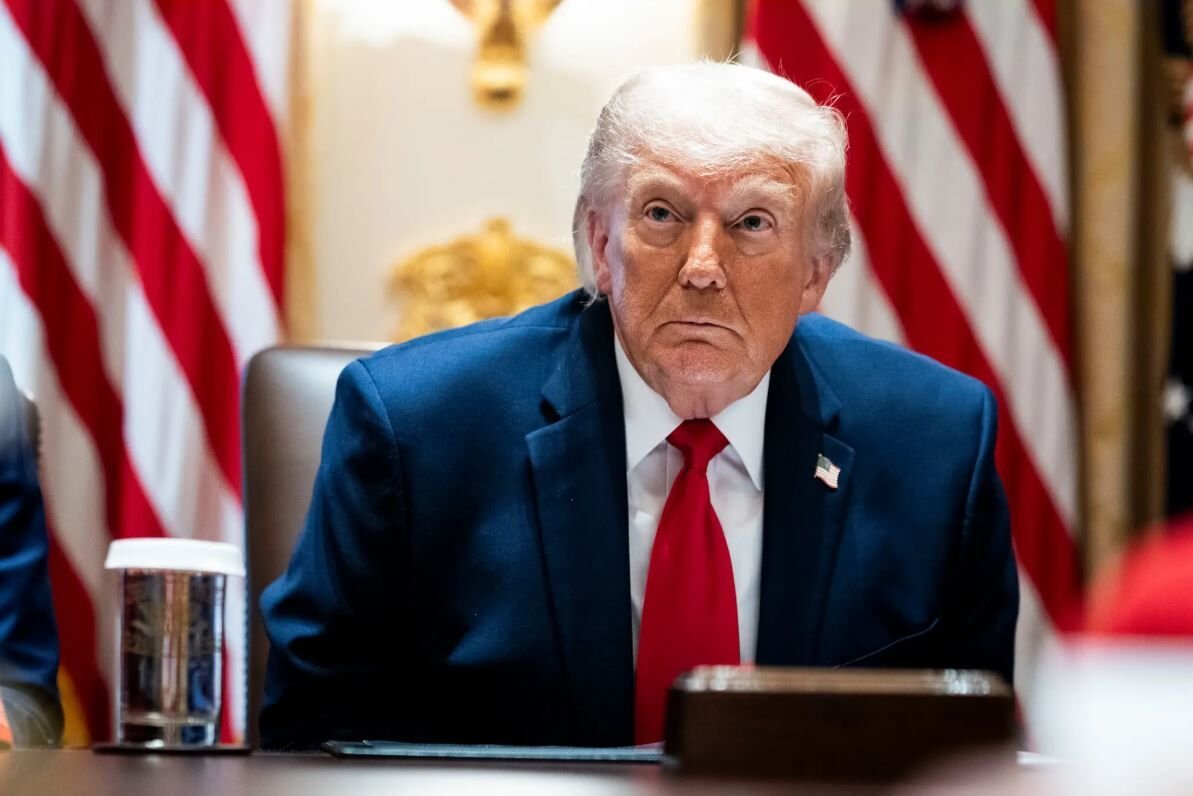
US President Donald Trump has called on Iran to halt its missile attacks and return to negotiations, signaling a renewed diplomatic push as tensions between Iran and Israel continue to escalate.
In brief remarks reported by Fox News, Trump urged Tehran to step back from military confrontation and reengage in talks aimed at reducing regional tensions.
“My message to Iran is: you’ve fired your missiles, that’s enough. Go back to the negotiating table and make a deal,” Trump said, according to the network. Fox News indicated that a longer version of the interview is expected to be released later.
The comments come at a particularly volatile moment in the Middle East, where direct exchanges of military strikes between Iran and Israel have raised concerns about the possibility of a wider regional conflict.
At the same time, Axios reporter Barak Ravid cited an Israeli official as saying that Israel is reviewing possible responses to Iran’s latest missile attacks. According to the report, the Trump administration is seeking to prevent further escalation and may encourage Israel to avoid launching additional retaliatory strikes.
Israeli media outlets have reported significant missile activity originating from Iran. Public broadcaster Kan reported that political officials had been informed of approximately ten ballistic missiles launched toward Israel on Sunday evening.
Meanwhile, the newspaper Maariv reported that roughly 86 missiles were fired from western and central Iran toward northern and central Israel. The exact number of missiles launched remains unclear, and neither side has released a comprehensive official assessment of the attacks.
The latest developments highlight Washington’s dual-track approach to the crisis. While the United States continues to support Israel’s security, Trump’s remarks suggest that his administration is also seeking to prevent the confrontation from expanding into a broader regional war involving multiple states and armed groups across the Middle East.
The stakes extend far beyond Iran and Israel. A prolonged escalation could disrupt regional stability, threaten global energy markets, affect international shipping routes, and increase pressure on already fragile diplomatic relationships throughout the region.
Trump’s appeal for renewed negotiations reflects growing international concern that continued cycles of retaliation could become increasingly difficult to contain. Diplomatic efforts, however, face significant challenges as mutual distrust between Tehran and Jerusalem remains high and military tensions continue to intensify.
As governments across the region monitor developments closely, attention is now turning to whether Israel will launch another round of retaliatory strikes and whether Iran will respond to calls for restraint. The decisions made in the coming days could play a decisive role in determining whether the crisis moves toward diplomacy or a broader military confrontation.
At the time of publication, Iranian officials had not publicly responded to Trump’s latest remarks.