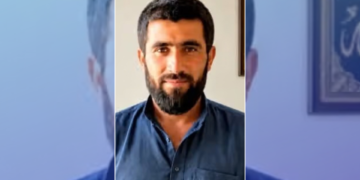

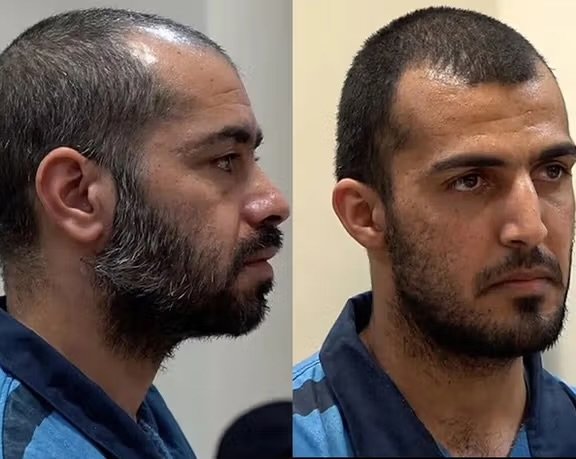
Iran’s judiciary-affiliated Mizan News Agency has announced the execution of two men convicted in connection with the burning of a mosque in Tehran after their death sentences were upheld by the country’s Supreme Court.
According to the report, Mehrdad Mohammadi-Nia and Ashkan Maleki were sentenced to death on charges that included setting fire to a mosque, destruction of public property, clashes with security forces, and blocking public roads.
Mizan News Agency cited alleged confessions by one of the defendants and claimed that surveillance camera footage linked the two men to the incident.
However, the report did not disclose the exact location or date of the executions and provided limited information regarding the judicial process, access to independently chosen legal counsel, or opportunities for independent review of the evidence presented in court.
Independent sources have not separately verified the details released by Iranian authorities.
The executions come amid continuing criticism from international human rights organizations regarding the handling of cases linked to the Dey protests. Rights groups have argued that several protest-related trials were conducted at an unusually rapid pace and that access to independent legal representation was restricted.
Human rights advocates have also raised concerns about fair trial standards, including the right to an effective defense, full access to legal counsel, and transparency in judicial proceedings.
According to estimates by human rights organizations, between 10 and 13 individuals connected to protest-related cases have been executed since authorities began prosecuting detainees arrested during the demonstrations. Some reports place the number even higher.
Rights groups warn that the continued implementation of death sentences could intensify concerns about human rights, civil liberties, and judicial independence in Iran.
The case has once again placed Iran’s use of capital punishment and the transparency of its judicial system at the center of international human rights discussions.