
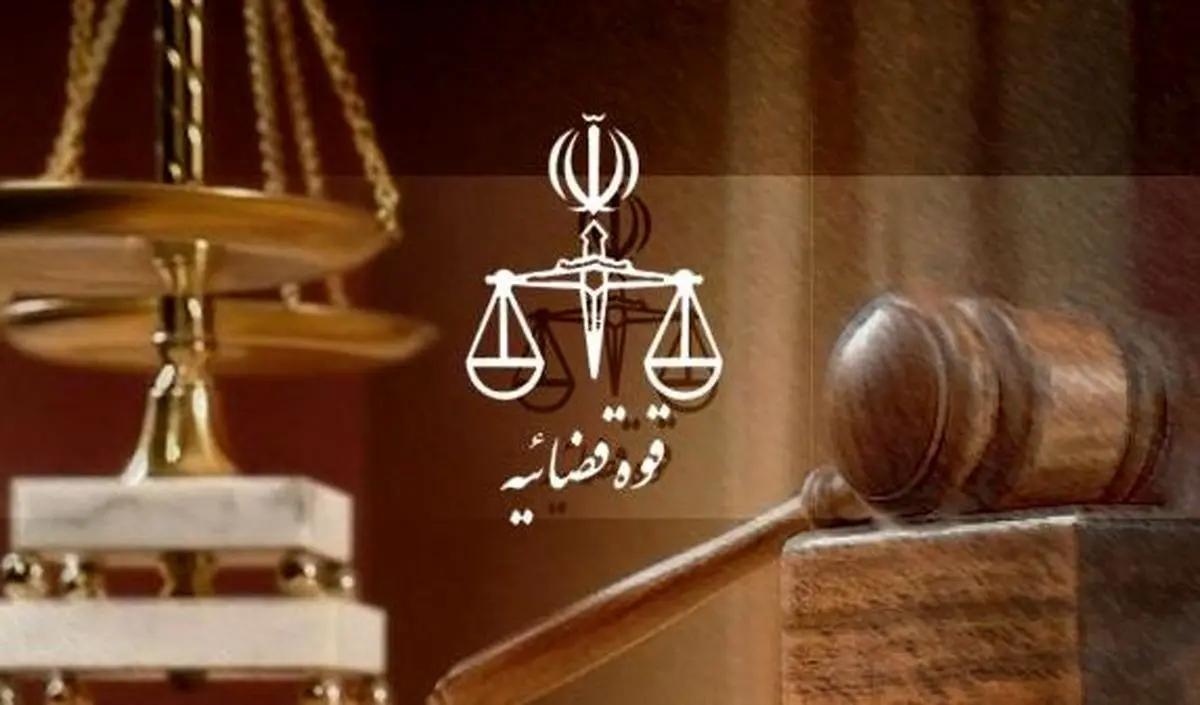
Iran’s judiciary says it has seized 240 assets and frozen 182 bank accounts belonging to Iranian citizens in recent months, with some of the measures involving journalists and prominent figures living outside the country.
Mizan News, the judiciary’s news agency, reported on Monday, September 14, that 143 of the seized assets were located in Tehran. The agency said some belonged to journalists working for Iran International, Manoto and other Persian-language media outlets, as well as prominent Iranians living abroad.
Mizan attributed the measures to allegations including “treason against the homeland” and “selling out the homeland,” but did not publish evidence in its report establishing those allegations against the individuals concerned.
The terminology is also legally significant. “Treason against the homeland” and “selling out the homeland” are not, by themselves, independent criminal offenses under Iranian criminal law. The use of such political or descriptive labels therefore does not establish a specific criminal charge without identifying the applicable legal provision and the conduct alleged.
Another unresolved issue is the legal status of the assets. Under the principle of presumption of innocence, a person whose case is still being considered should not be treated as guilty before a final conviction. Mizan did not specify how many of the cases had resulted in final confiscation orders and how many involved temporary seizure pending judicial proceedings.
That distinction is crucial. A temporary seizure is a different legal measure from permanent confiscation, and the two cannot be treated as equivalent simply because both involve restrictions on property.
The reported actions also come amid continuing judicial and security pressure on some Persian-language media organizations and journalists outside Iran. However, without details of individual cases, it remains unclear what specific charges have been brought against each person, what evidence has been presented, and what legal grounds were used to seize or restrict their property.
From the perspective of Nimruz, the significance of the announcement lies not only in the reported numbers but in the lack of case-by-case information needed to assess the measures legally. The figures — 240 seized assets and 182 frozen accounts — indicate a broad financial enforcement campaign, but they do not by themselves establish how many individuals are involved, how many cases have reached final judgment, or whether all the measures concern the same category of alleged offenses.
The announcement therefore raises a wider question about transparency in financial enforcement against critics and media figures. A clear distinction between temporary seizure and final confiscation, together with the charges, court decisions and legal provisions underlying each case, would be necessary to determine the precise scope and legal consequences of the measures.