
A new US poll shows overwhelming public support for protecting Afghans who worked with American forces, highlighting a significant gap between public opinion and restrictions affecting Afghan admissions to the United States.
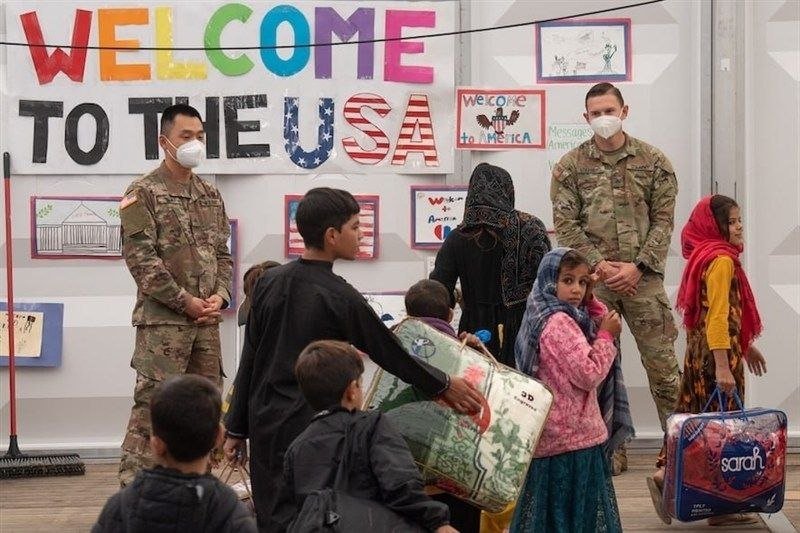
The survey found that 84 percent of US voters believe Washington should honor its commitment to protect Afghans who worked with US forces and their families.
Overall support for admitting Afghans to the United States stood at 52 percent. But when respondents were specifically asked about Afghans with documented service as interpreters, journalists, contractors or security guards, support rose to 71 percent.
The survey also found that 76 percent of voters support restoring resettlement assistance for approved Afghans.
Seventy-three percent said Afghan partners of US forces should be allowed to remain in the United States while their cases are being processed.
Support was also high for family reunification, with 78 percent backing the ability of family members to join US citizens and military personnel.
Another 72 percent supported creating a permanent program to assist US allies after American wars.
The findings come as Afghan admissions to the United States remain subject to immigration restrictions and policy decisions, leaving the future of many Afghans who previously worked with US forces uncertain.
Nimruz Exclusive Angle
The survey suggests that direct service alongside US forces remains a powerful factor in how Americans view Washington’s responsibilities toward Afghans.
The distinction is significant. While overall support for admitting Afghans is lower, support rises substantially when respondents are presented with a clear connection between an Afghan individual and the US military mission.
This indicates that public opinion may distinguish between general immigration policy and a specific obligation toward people who directly assisted the United States during its war in Afghanistan.
Final Analysis
The central significance of the findings lies in the gap between public support and government policy.
A large majority of voters support protecting Afghan allies, including allowing them to remain in the United States while their cases are resolved and restoring assistance for approved resettlement cases.
If that gap persists, the question of America’s responsibility toward Afghan partners could again become a domestic political issue in Washington.
The debate is ultimately about more than immigration numbers. It concerns whether the United States will maintain its commitments to people who worked alongside its forces and whether those commitments will continue to carry practical weight after the end of the Afghanistan war.