

European Parliament member Hannah Neumann has criticized what she describes as a major shift in the international community’s approach to the Taliban, arguing that some European governments are increasingly prioritizing cooperation on migration over protecting Afghans from rights abuses.
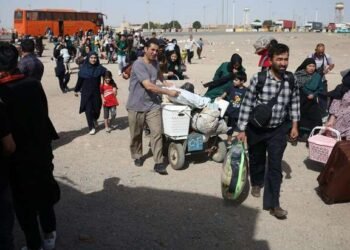
In a series of posts on X on August 14, Neumann said that five years ago, the international community was focused on how to protect Afghans from the Taliban. Today, she said, many countries are instead discussing how to cooperate with the Taliban to return Afghan migrants.
“The Taliban have not changed, but we have changed, and we are failing Afghans,” Neumann wrote.
Neumann, a prominent critic of Taliban policies and an advocate for the rights of Afghan women, said European engagement with the Taliban should not come at the expense of human rights in Afghanistan.
She has previously opposed official meetings between European officials and Taliban representatives, arguing that such engagement could contribute to the normalization of Taliban rule.
In earlier statements, Neumann has accused the Taliban of failing to meet commitments relating to human rights, an inclusive government and countering extremism. She has argued that the international community should not move toward normalization before meaningful progress is made on these issues.
Her latest comments come as the fifth anniversary of the Taliban’s return to power approaches and several European countries reassess their policies toward Afghan migration and engagement with the Taliban.
Critics of closer cooperation with the Taliban argue that any effort to return Afghan migrants should include individual assessments of security and human rights risks and should not result in the deportation of people who could face persecution, torture or other serious abuses after returning to Afghanistan.
European governments, however, continue to emphasize their responsibility to enforce immigration laws and return people who do not have a legal basis to remain in their countries.
The disagreement reflects a broader debate over how Europe should deal with the Taliban: whether pragmatic engagement on issues such as migration can be pursued without conferring greater political legitimacy on the group.
The debate remains particularly contentious as Afghan women and girls continue to face severe restrictions on education, employment and participation in public life, while European governments weigh migration priorities against concerns over human rights and the future of Afghanistan.