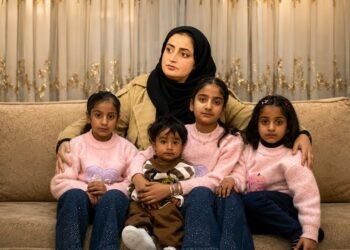

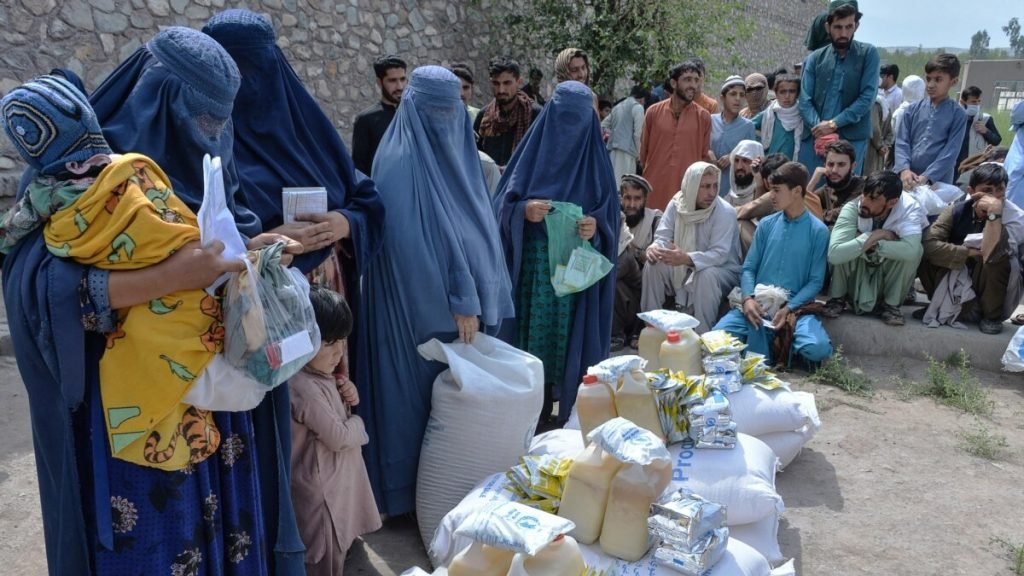
The United Nations Office for the Coordination of Humanitarian Affairs (OCHA) says more than 10.7 million Afghan women and girls will require humanitarian assistance in 2026, warning that restrictions on education, employment and freedom of movement continue to deepen the country’s humanitarian crisis.
In its latest report, OCHA said women and girls remain among the most vulnerable groups in Afghanistan, with existing restrictions significantly increasing protection risks and reducing access to essential services.
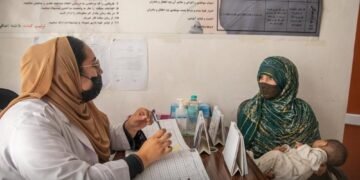
The agency also warned that Afghanistan’s healthcare system is facing severe shortages of female medical staff, declining financial resources, medicine shortages and limited access to reproductive healthcare.
According to UN figures, Afghanistan’s maternal mortality rate reached 638 deaths per 100,000 live births in 2024—the highest in Asia and the seventh highest in the world.
OCHA said conditions are particularly severe in rural and remote areas, where women often travel for hours to reach healthcare facilities and many seek medical treatment only after serious complications have developed.
The report also highlighted Bamyan Provincial Hospital, the only facility in the province equipped with a neonatal intensive care unit, saying it is under growing pressure because of limited resources and increasing patient numbers.
OCHA warned that continued restrictions on girls’ education are likely to worsen shortages of qualified women in the health and education sectors in the coming years. UNICEF estimates that, if current policies continue, Afghanistan could lose more than 25,000 female teachers and healthcare workers by 2030.
The United Nations stressed that without increased humanitarian funding and the removal of barriers limiting access to education and essential services, the humanitarian and public health crisis affecting Afghan women and children is expected to become even more severe.