
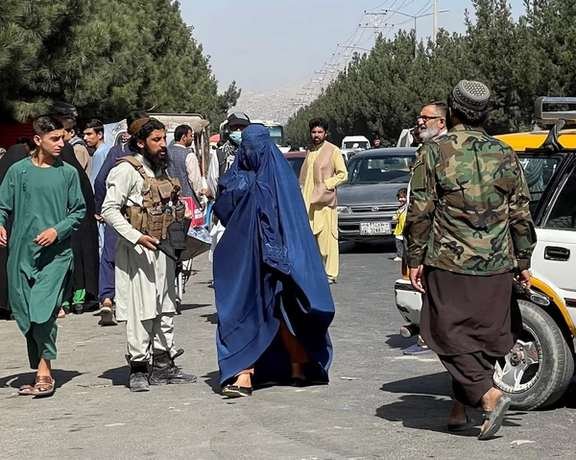
Fereshta Abbasi, a researcher at Human Rights Watch, has warned that the Taliban’s continued restrictions on women, coupled with a sharp decline in international assistance, are deepening Afghanistan’s humanitarian and economic crisis.
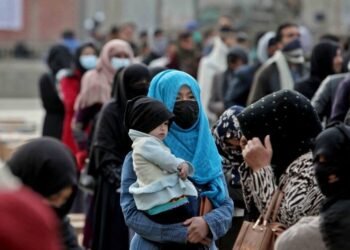
Abbasi called on the Taliban to lift all restrictions imposed on women, including the ban on women’s employment, arguing that such measures continue to undermine livelihoods and worsen humanitarian conditions across the country.
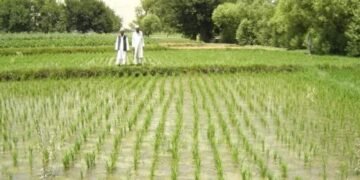
Citing United Nations estimates, she said that more than 17 million people out of Afghanistan’s population of approximately 44 million are expected to face severe food insecurity this year, with women and children bearing the heaviest burden.
Abbasi also pointed to the funding shortfall facing humanitarian operations, noting that by the end of June, less than 20 percent of the financing required for the UN’s Afghanistan Humanitarian Response Plan had been secured. She said the funding gap has significantly reduced the capacity of humanitarian organizations to provide assistance.
According to Abbasi, cuts in aid from the United States, the United Kingdom and other major donors have forced many relief organizations to scale back their operations and concentrate limited resources on the most vulnerable communities.
She warned that the combination of extensive restrictions on women and declining international support is placing millions of Afghan families under increasing pressure and heightening the risk of a worsening humanitarian emergency.