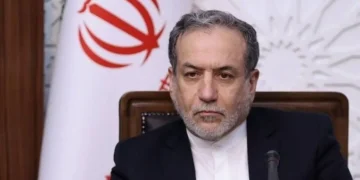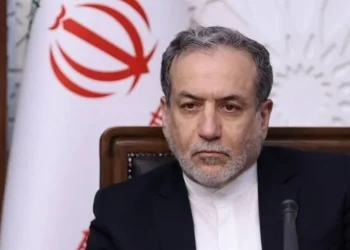

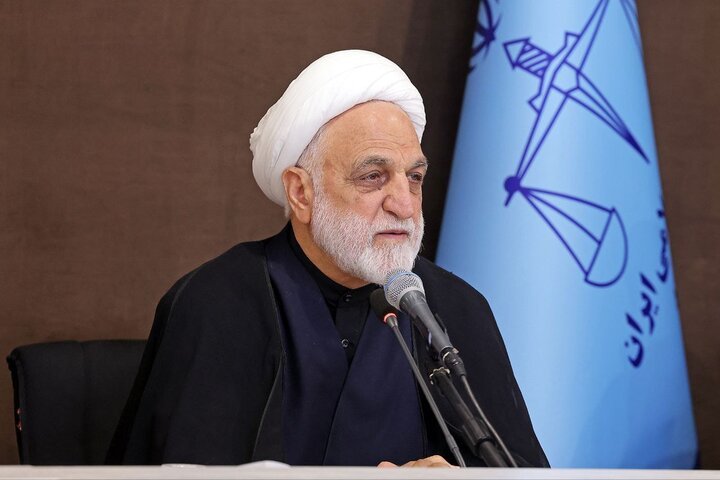
Iran’s judiciary chief has described the large turnout of government supporters at the funeral of former Supreme Leader Ali Khamenei as a “referendum” endorsing the Islamic Republic.
The remarks have drawn criticism from opponents of the Iranian government, who argue that authorities do not permit anti-government demonstrations while supporters are able to gather publicly for official events. Critics say many protesters have repeatedly risked arrest or death by taking to the streets to express opposition to the ruling establishment.
Political analysts also dispute the use of the term “referendum” to describe attendance at a public ceremony. They argue that a referendum, by definition, requires a formal voting process with ballot boxes, legal procedures and the opportunity for all eligible citizens to participate freely.
The debate comes amid continuing divisions over how public support for the Iranian government should be measured. While officials point to mass participation in state-organized events as evidence of legitimacy, critics maintain that only free and transparent elections or referendums can accurately reflect public opinion.
No independent mechanism currently exists to verify either side’s claims regarding the level of public support for the government.