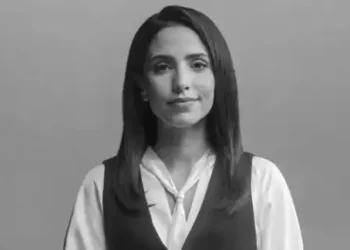

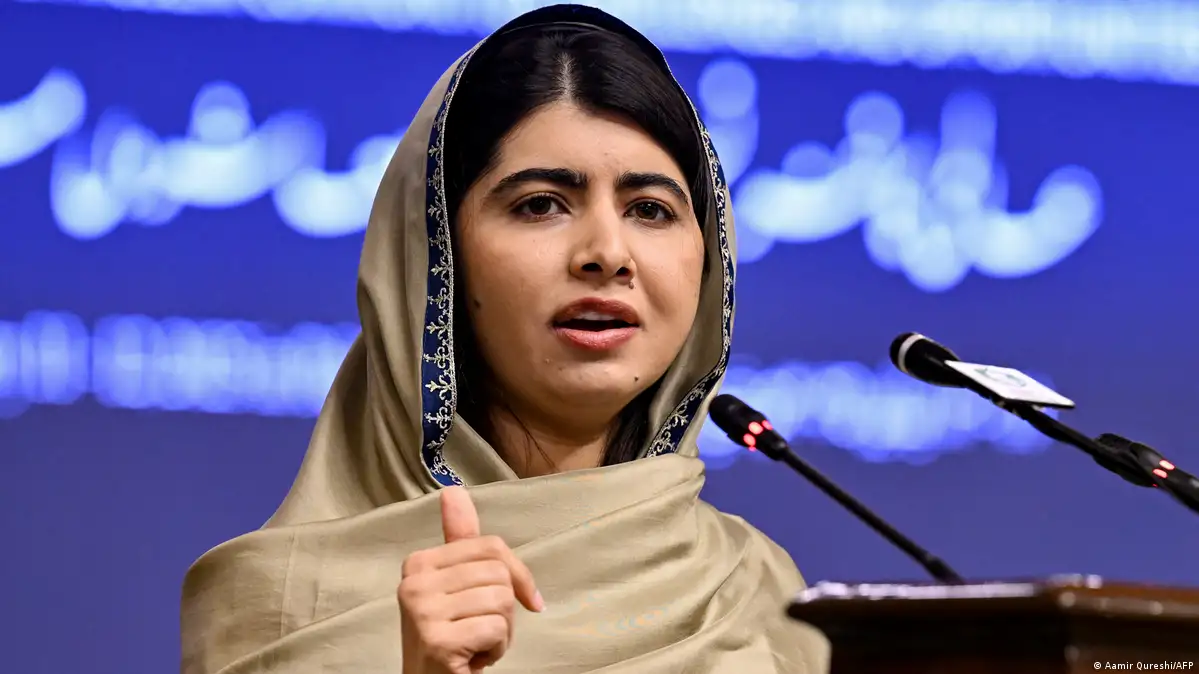
Malala Yousafzai, Nobel Peace Prize laureate and one of the world’s most prominent advocates for girls’ education, has strongly criticized the European Union’s decision to invite a Taliban delegation to Brussels for technical discussions.
In a message posted Monday on X, Yousafzai said she was “deeply shocked and disturbed” by the decision, arguing that those invited to the meeting represent a group responsible for denying Afghan girls access to education beyond the sixth grade and imposing severe restrictions on women.
Referring to recent developments in Herat, Malala said Taliban authorities had detained dozens of women in recent weeks over alleged violations of dress regulations.
“These are the same Taliban who have arrested, beaten and tortured women for daring to speak out or challenge their rules,” she wrote.
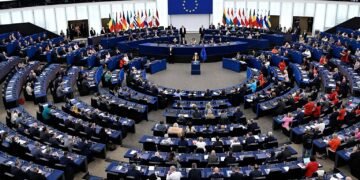
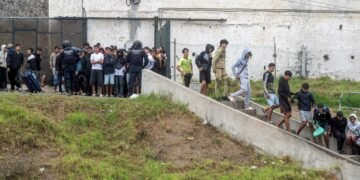
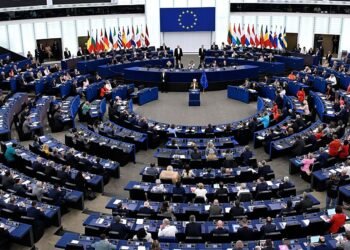
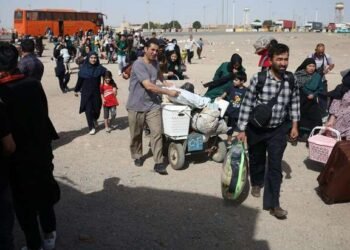
The European Commission has confirmed that Taliban representatives have been invited to Brussels for technical talks focused on the return of Afghan migrants convicted of crimes and individuals whose asylum applications have been rejected in European countries.
European officials have stressed that the discussions are technical in nature and do not constitute recognition of the Taliban as the legitimate government of Afghanistan.
Despite those assurances, the invitation has generated widespread criticism from Afghan civil society groups, human rights organizations, women’s rights activists and several European politicians.
Critics argue that allowing Taliban representatives to participate in official meetings within European institutions risks granting the group a degree of political legitimacy at a time when restrictions on women, girls, journalists and political opponents remain in place.
Supporters of the talks, however, contend that practical engagement is necessary to address migration issues and facilitate the return of individuals who no longer have legal grounds to remain in Europe.
The meeting is scheduled to take place in Brussels on Tuesday, with discussions expected to focus primarily on migration management and the return of Afghan nationals from European countries.
From Nimruz TV’s perspective, the controversy reflects a growing dilemma facing European policymakers: how to address migration and consular challenges involving Afghanistan while avoiding actions that could be interpreted as political recognition of the Taliban. The debate is likely to intensify as European governments seek practical cooperation on migration issues amid continuing concerns over human rights conditions in Afghanistan.