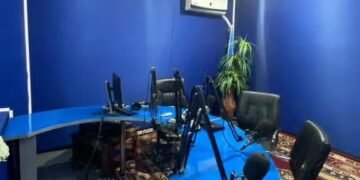

The Taliban’s Ministry of Information and Culture has announced that a new broadcasting license has been issued for Rah-e-Farda Radio and Television, allowing the media outlet to resume its activities.
According to an official document released by the ministry, Salman Akhlaqi has been appointed as the license holder while Abdulrahman Mirzad has been designated as the editor-in-chief.
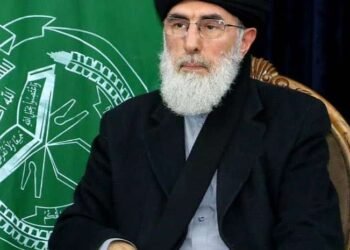
The document states that the broadcasting license previously associated with Mohammad Mohaqiq, leader of the People’s Islamic Unity Party of Afghanistan, has been transferred to the two newly designated officials.
Taliban authorities said Rah-e-Farda may continue its broadcasts provided its programming remains in accordance with what they described as the principles of the Islamic Emirate.
Rah-e-Farda was shut down in late winter of last year after Mohammad Mohaqiq publicly criticized Taliban attacks against Pakistan. Following the closure, assets linked to him were reportedly confiscated.
At the time, the Ministry of Information and Culture stated that Mohaqiq’s remarks against Taliban positions were the primary reason for suspending the broadcaster.
The Taliban had also revoked the station’s license and halted its operations in the previous year. Authorities then cited complaints from employees regarding unpaid salaries as justification for the decision.
In a statement issued today, Rah-e-Farda announced that its initial programming after reopening will focus on coverage of Muharram commemorations. The outlet said it plans to resume its regular schedule after the religious observance concludes.
The reopening comes amid continuing domestic and international concerns regarding media freedom in Afghanistan.
Media advocacy organizations have repeatedly expressed concern over restrictions imposed on independent news outlets and journalists since the Taliban returned to power.
Observers say the resumption of Rah-e-Farda’s operations is a notable development within Afghanistan’s media landscape, although broader questions regarding editorial independence and media freedom remain the subject of ongoing debate.