
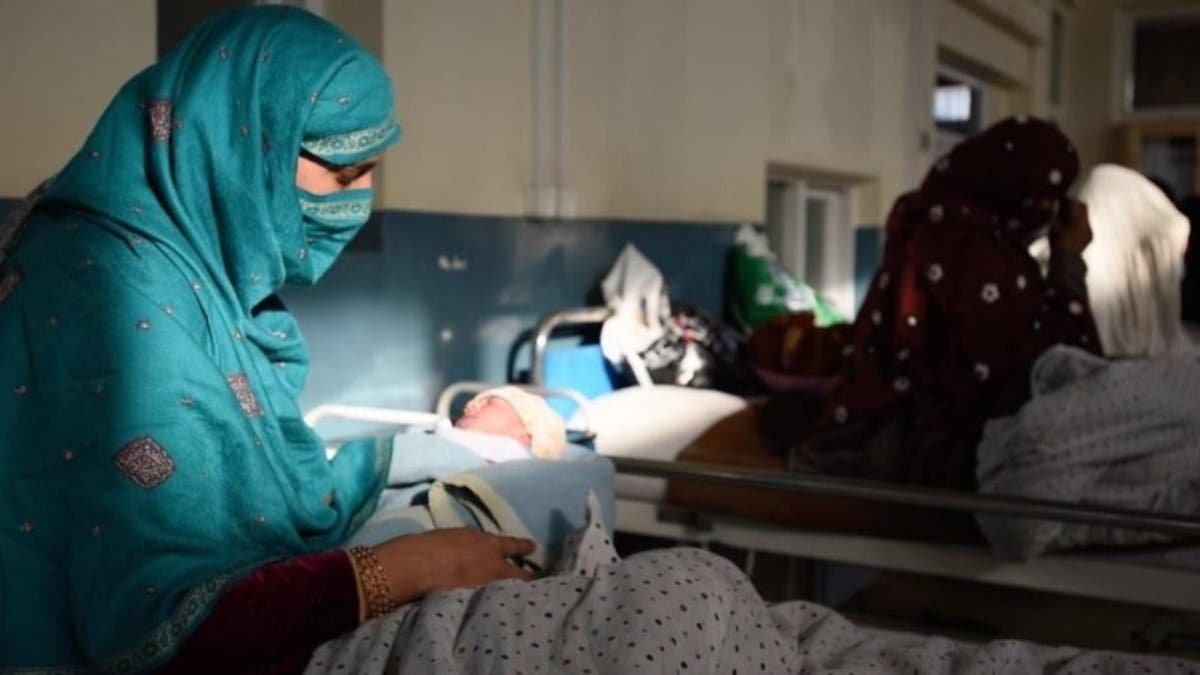
A senior United Nations humanitarian official has warned that Afghanistan continues to record one of the highest maternal mortality rates in the world, while restrictions imposed on women and girls are creating serious barriers to accessing essential services.
Olga Cherevko, a UN humanitarian affairs official, said in a video message on Thursday that approximately 600 women die for every 100,000 births in Afghanistan, placing the country among the most dangerous places in the world for pregnant women.
Expressing concern about growing restrictions on women, Cherevko said the measures have affected not only the daily lives of women and girls but also their access to healthcare, education and employment opportunities.
She emphasized the critical role women play in Afghanistan’s healthcare system, noting that many lifesaving services, particularly in remote and rural communities, are provided by female healthcare workers.
The UN official pointed to a hospital in Bamiyan Province that operates the region’s only neonatal intensive care unit. According to Cherevko, many of the staff members at the facility are women who work around the clock to save the lives of mothers and newborns.
She stressed the importance of maintaining healthcare services and supporting medical facilities across the country, warning that continued access to such services is essential to preventing further increases in maternal and infant mortality.
According to World Bank data compiled in cooperation with the World Health Organization, UNICEF and the United Nations Population Fund, Afghanistan’s maternal mortality rate is estimated at 521 deaths per 100,000 live births.
The figures underline the persistent dangers associated with pregnancy and childbirth for Afghan women. Experts say the crisis is driven by a combination of poverty, inadequate healthcare infrastructure, limited access to medical services and social restrictions affecting women.
Health specialists have repeatedly warned that without sustained investment in healthcare services, trained medical personnel and maternal care programs, progress in reducing maternal deaths could be reversed.
The latest warning comes as Afghanistan continues to face major humanitarian and economic challenges, with international organizations calling for greater support for healthcare systems and protections for women’s access to essential services.