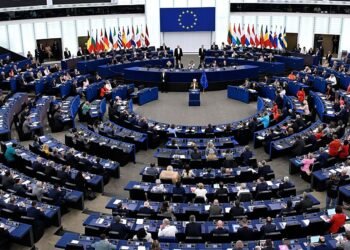

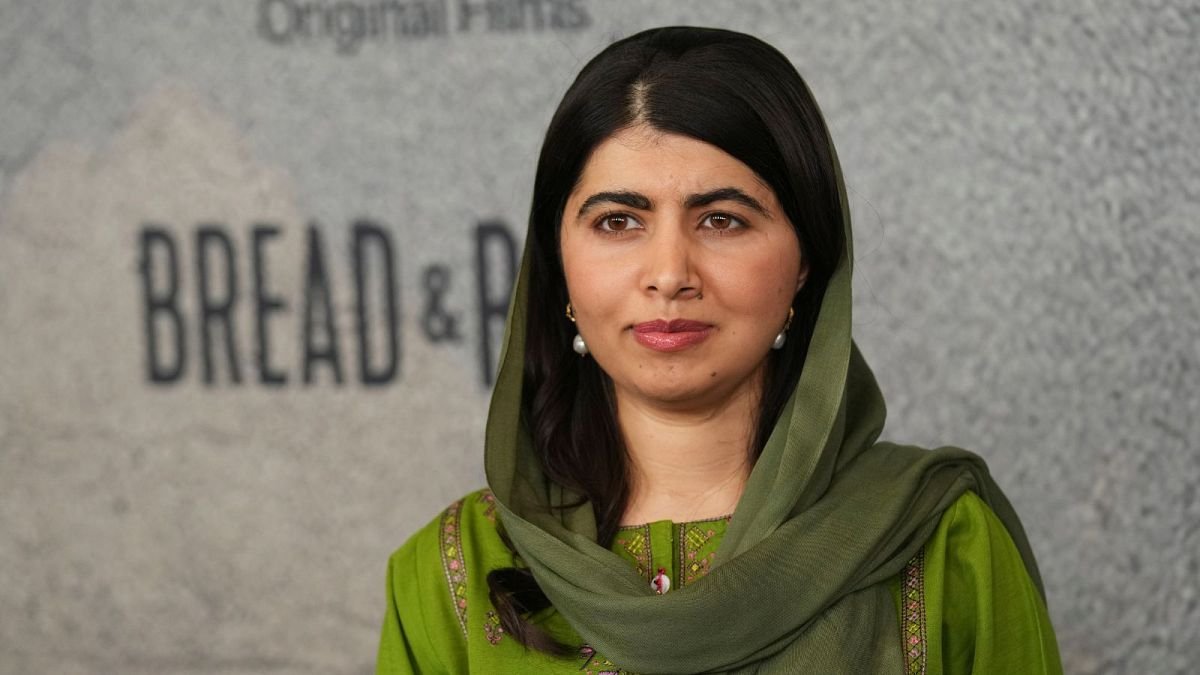
Nobel Peace Prize laureate and education activist Malala Yousafzai has criticized the European Union’s decision to host a Taliban delegation in Brussels, arguing that the bloc should not engage with a regime she says is responsible for one of the world’s most severe human rights crises.
In a statement posted on X on Monday, Malala warned that talks with Taliban representatives could be interpreted as a form of diplomatic acceptance of a group that, in her view, has systematically stripped women and girls of their fundamental rights.
She argued that the Taliban’s restrictions on education, employment and freedom of movement for women have created what she described as a system of “gender apartheid” in Afghanistan.
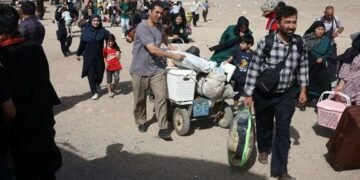
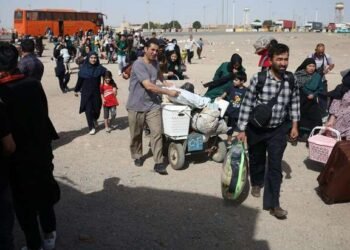
The Nobel laureate also criticized plans to discuss the return of Afghan migrants with Taliban representatives, saying such engagement sends a troubling message to the international community.
According to Malala, the move could create the perception that a government can systematically violate the rights of women and girls while still being treated as a legitimate diplomatic partner.
She further pointed to recent reports of women being detained in Herat over dress-code issues and referenced actions taken against protesters, describing them as signs of increasing restrictions and repression in Afghanistan.
The invitation extended to a Taliban delegation for meetings in Brussels has generated significant reactions from Afghan civil society groups, women’s rights advocates, human rights organizations and several European politicians.
Critics argue that hosting Taliban officials could contribute to political legitimization of the group at a time when concerns over human rights, particularly the rights of women and girls, remain at the center of international criticism.
Supporters of engagement, however, argue that dialogue may be necessary to address practical issues such as migration, humanitarian assistance and regional stability.
The European Union has so far indicated no change to its plans for the proposed meetings.
The debate highlights the continuing challenge facing international actors: balancing diplomatic engagement on practical matters while responding to ongoing concerns over human rights and governance in Afghanistan.