
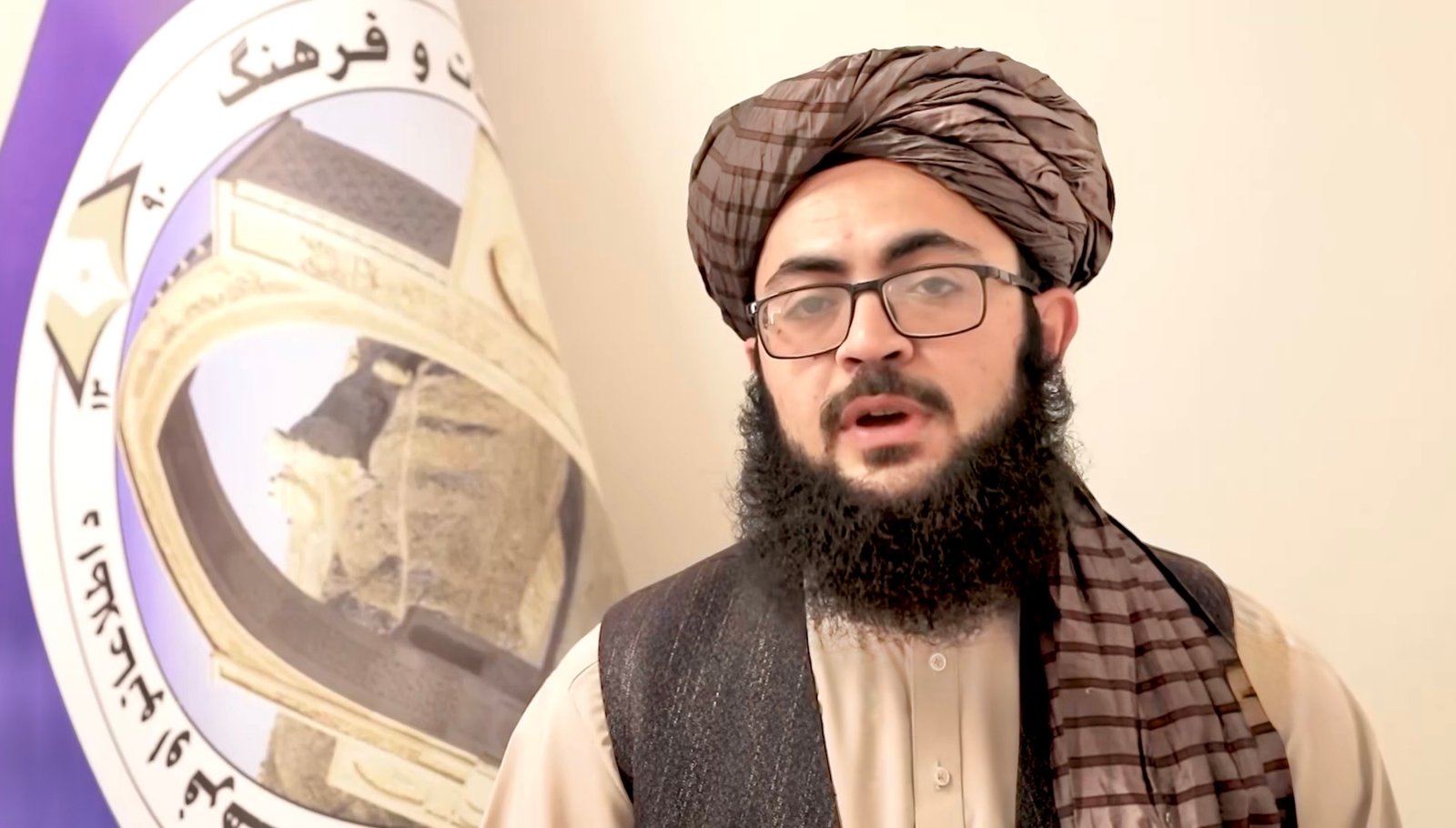
Afghanistan’s Ministry of Information and Culture under Taliban administration says more than 140 new media outlets and media-related institutions received operating licenses during the year 1404.
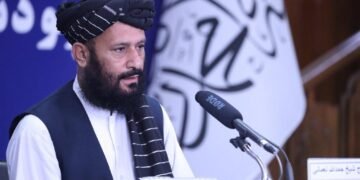
Khabib Ghafran, spokesperson for the ministry, made the announcement on World Press Freedom Day, saying the figure reflects the Taliban’s belief in the essential role of media in society.
However, critics argue that growth in licensing numbers does not automatically equate to expanded press freedom, editorial independence, or journalist safety.
In recent years, international monitoring organizations and media advocates have repeatedly raised concerns over censorship, content restrictions, journalist detentions, pressure on reporters, and declining female participation in Afghanistan’s media sector.
In that context, observers say quantitative expansion without professional autonomy may not represent genuine media development.
The distinction between increasing the number of media outlets and ensuring actual media freedom has become one of the central debates surrounding Afghanistan’s information environment.
The timing of the announcement alongside World Press Freedom Day also suggests an effort to project an official narrative about media conditions, even as broader international assessments continue to question structural restrictions.