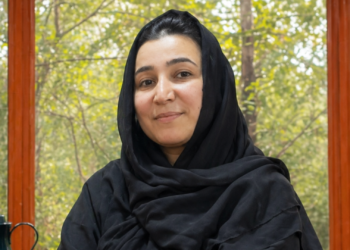

The British newspaper Daily Mail has published an exclusive report featuring the story of Shukria, a 33-year-old Afghan woman who says she and her family suffered violence, imprisonment, and torture during both periods of Taliban rule.
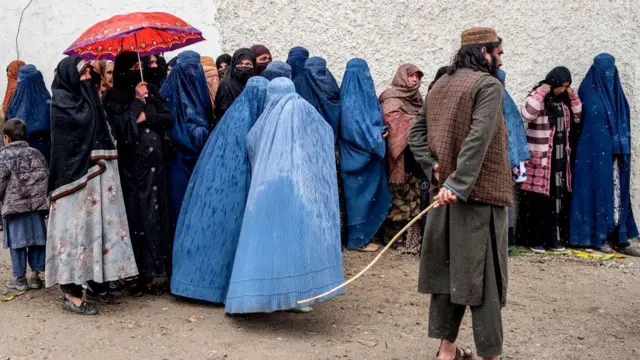
According to Shukria, her first experience with Taliban violence came at the age of eight, when her father — a former military officer during the government of Mohammad Najibullah — was publicly whipped, had his face blackened with motor oil, and was later imprisoned.
She said that after the Taliban entered their village, widowed and vulnerable women were forced into marriages with Taliban members, while families who resisted faced death threats.
Shukria stated that in order to secure her father’s release, her family was forced to marry off her 17-year-old aunt to a Taliban member.
According to her account, the young woman was taken to Kandahar and was never heard from again.
After the collapse of the Taliban’s first regime, Shukria said she managed to continue her education and later worked for more than ten years at Afghanistan’s Ministry of National Defense.
However, she said her life collapsed again after the Taliban returned to power in August 2021.
Shukria told Daily Mail that Taliban fighters raided her home late at night 40 days after the fall of Kabul, arresting and torturing both her and her father.
She said she was accused of “betraying Islam” and collaborating with foreigners.
According to her account, she was beaten inside an unofficial detention center in Kabul and suffered serious injuries to her knees.
Shukria has since fled Afghanistan and is currently in Pakistan waiting for a visa to travel to Latin America.
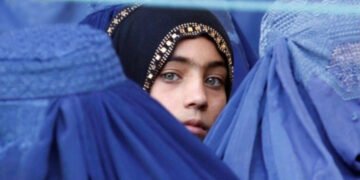
Her story reflects the fear, pressure, and restrictions many Afghan women say they have faced since the Taliban regained power.
While the Taliban continue to claim that women’s rights are protected “within Islamic law,” human rights organizations and personal testimonies have repeatedly reported cases involving arbitrary detention, torture, forced marriage, and the exclusion of women from public life.
Analysts say such testimonies highlight the deep psychological and social impact of decades of conflict and repression on Afghan women and families across generations.