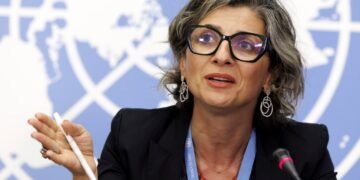

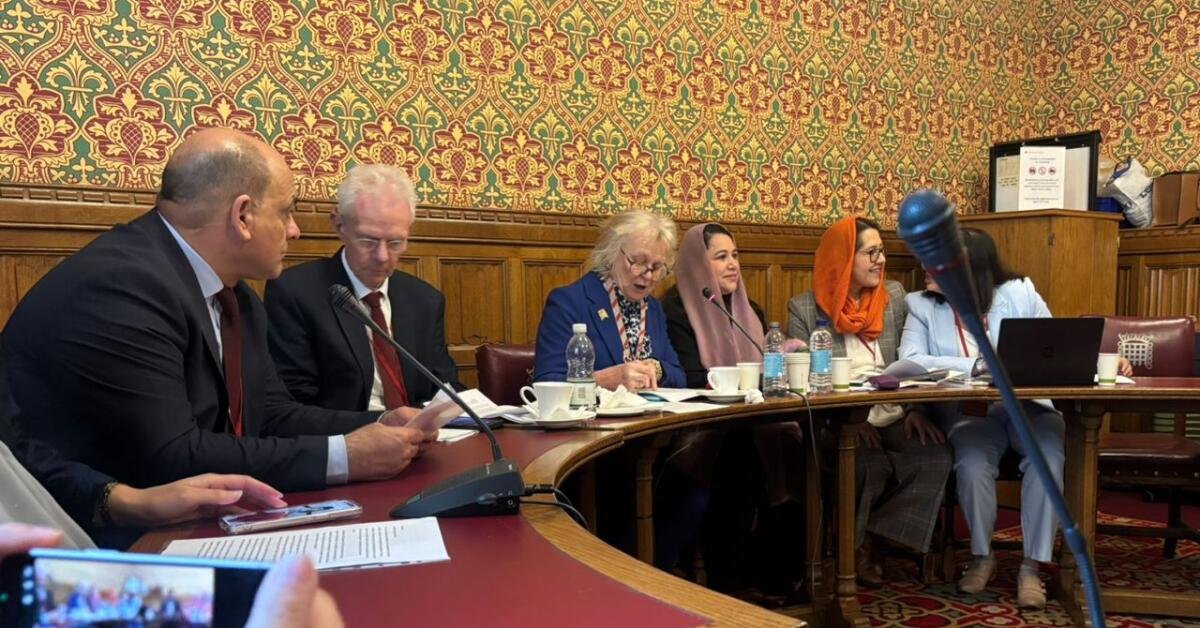
Baroness Fiona Hodgson, a member of the British House of Lords, has described the condition of women in Afghanistan under Taliban rule as “catastrophic,” saying the Taliban still fail to understand that women are “a tremendous human resource” for the country.
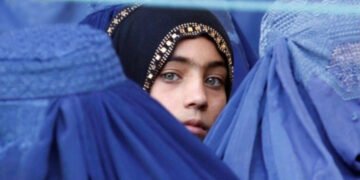
In an interview with Afghanistan International, Baroness Hodgson said Afghan women have been excluded from education, employment, and public life, adding that the restrictions imposed by the Taliban have effectively erased women from social participation.
She stated that the Taliban continue to treat women’s rights as a “Western issue,” despite the fact that Afghan women have struggled for decades to secure their fundamental rights.
Hodgson warned that continued restrictions on women — particularly in education, employment, and social participation — will deepen Afghanistan’s humanitarian crisis and directly contradict basic human rights principles.
Despite criticizing Taliban policies, the British peer said some level of engagement with the Taliban remains necessary, but stressed that engagement should not be interpreted as political recognition or formal diplomatic normalization.
She emphasized that dialogue with the Taliban must not lead to legitimacy for the group and that the international community should continue applying pressure for behavioral change.
“The Taliban have silenced and oppressed half of Afghanistan’s population,” Hodgson said. “I do not understand why they fail to recognize what an enormous asset women are for this country.”
She also warned that global attention has shifted away from Afghanistan as new wars and international crises dominate foreign policy priorities in many countries.
The member of the House of Lords stressed the importance of international consensus on Afghanistan, arguing that broader global cooperation is needed to address women’s rights and the country’s ongoing humanitarian challenges.
Baroness Fiona Hodgson has previously raised concerns in the House of Lords, insisting that the rights of Afghan women must remain central in international discussions about Afghanistan.
Analysts say her remarks reflect a growing Western approach that combines criticism of Taliban policies with cautious engagement aimed at managing humanitarian and political realities without formally recognizing the Taliban government.
Observers also warn that as international attention shifts toward other global crises, Afghanistan risks becoming increasingly marginalized in global diplomacy despite worsening humanitarian and human rights conditions.