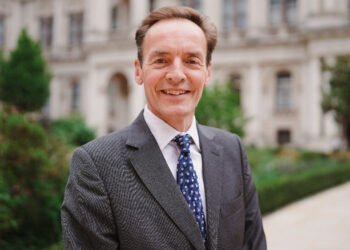


Richard Lindsay, the United Kingdom’s special representative for Afghanistan, told Taliban officials during a visit to Kabul that restrictions on women’s education and employment are weakening Afghanistan’s economy and limiting future opportunities.
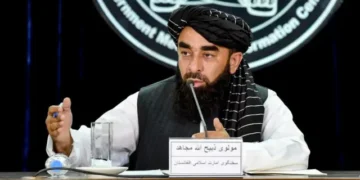
Writing on X on Thursday, Lindsay said he raised the issue during meetings with Taliban Economy Minister Qari Din Mohammad Hanif.
According to Lindsay, Afghanistan cannot overcome its economic crisis without an educated population and the active participation of women in society.
He said allowing women to work across all sectors is an urgent requirement for Afghanistan’s long-term stability and economic recovery.
The office of the British special representative said Lindsay also discussed barriers affecting humanitarian operations, as well as restrictions facing women and girls in education and employment.
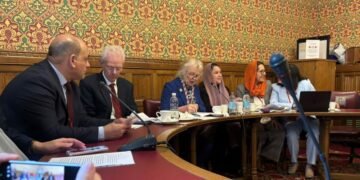
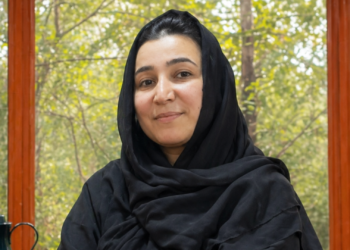
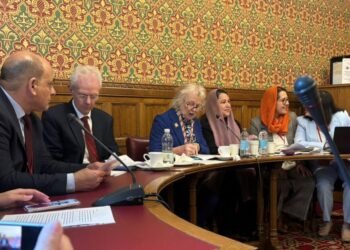
During the visit, Lindsay met with several Afghan women and praised what he described as their “resilience, creativity, and determination.”
He said Afghan women must have a voice in shaping the country’s future and in how the international community engages with Afghanistan.
Lindsay also stressed that British humanitarian assistance programs should be designed around the real needs of the Afghan population.
In another part of the visit, the British envoy expressed concern over the continued closure of border crossings between Afghanistan and Pakistan.
He warned that delays in humanitarian shipments are putting more than one million Afghan mothers and children at risk of severe malnutrition.
Lindsay called for the immediate reopening of border routes for humanitarian aid deliveries and safe access for civilians in need of assistance.
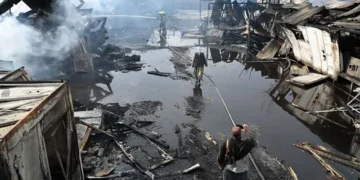
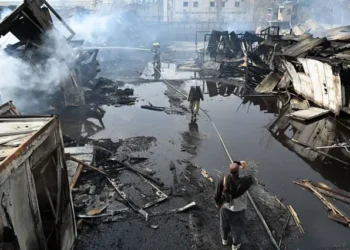
Border crossings between Afghanistan and Pakistan have remained closed for months, while the Taliban have also suspended parts of their economic relations with Pakistan.
The closures have affected not only trade but also access to medical treatment, as many Afghan patients previously traveled to Pakistan for healthcare services.
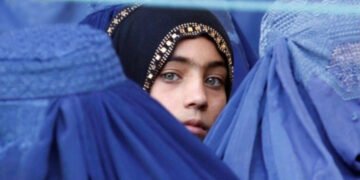
Since returning to power in 2021, the Taliban have imposed sweeping restrictions on women and girls in education and employment — measures international organizations say have worsened poverty and economic instability across Afghanistan.