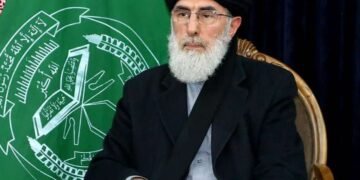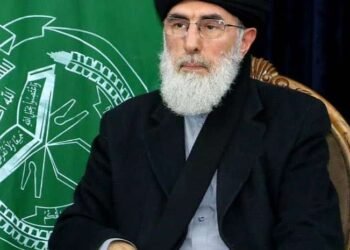

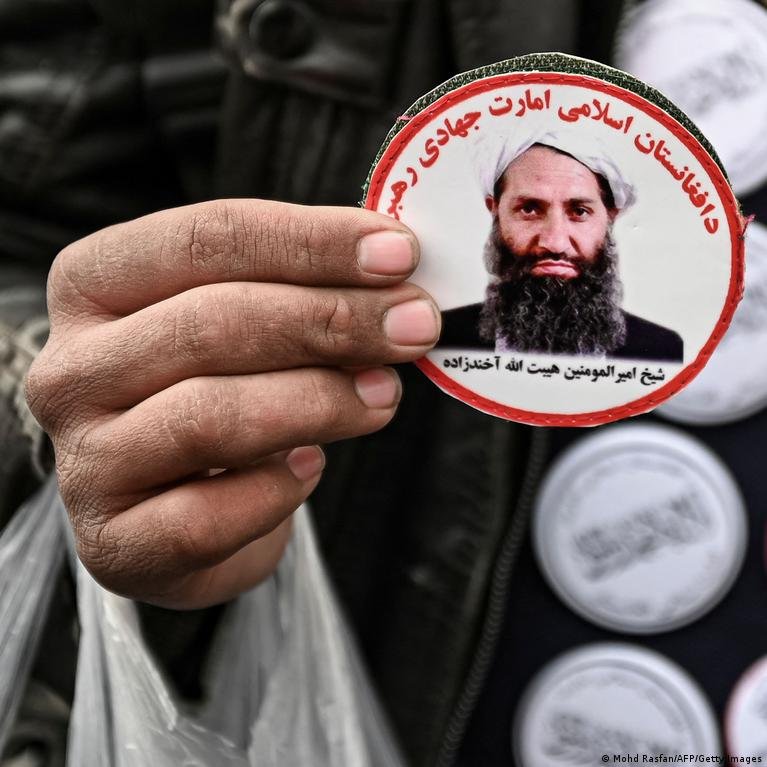
Taliban Supreme Leader Hibatullah Akhundzada has called on provincial officials to fully implement the group’s policies, uphold what he described as Islamic governance, and promote the Taliban’s general amnesty policy during a meeting with senior officials from northern and northeastern Afghanistan.
According to a statement released by Taliban authorities, Akhundzada met in Kandahar with governors, religious leaders, judicial officials, and local administrators representing nine provinces from the northern and northeastern regions of the country.
During the gathering, the Taliban leader highlighted the group’s general amnesty decree, saying its purpose was to prevent revenge attacks, end longstanding hostilities, and contribute to peace and security in Afghanistan.
He urged religious scholars, tribal elders, and local authorities to encourage reconciliation, mutual forgiveness, and the peaceful resolution of disputes. According to the statement, Akhundzada argued that ending cycles of revenge would help prevent future generations from inheriting old conflicts.
The meeting was attended by provincial governors, heads of provincial ulema councils, appellate court officials, and a number of religious and judicial figures. Senior Taliban religious authorities, including members of Kandahar’s religious establishment and central judicial institutions, were also present.
Akhundzada advised local officials to demonstrate piety, humility, and fairness in their interactions with citizens while ensuring the practical implementation of Taliban directives throughout the country.
He stressed that officials should first adhere to Taliban policies themselves before encouraging the public to follow them, emphasizing personal responsibility in governance and administration.
The Taliban leader also called for the continued enforcement of the group’s “Promotion of Virtue and Prevention of Vice” policies, participation in religious gatherings, stronger links between clerics, and greater encouragement of religious practices among the population.
According to the statement, Akhundzada expressed satisfaction with the performance of local officials while urging them to avoid administrative negligence, serve the public responsibly, and preserve unity within society.
The meeting concluded with participants renewing their pledge of allegiance to the Taliban leader, according to the official statement.
The gathering comes as the Taliban continue efforts to strengthen administrative, religious, and judicial structures across Afghanistan while facing sustained criticism from international organizations, human rights groups, and foreign governments over restrictions on women, civil liberties, political participation, and broader governance concerns.
NIMRUZ ANGLE
The meeting appears to serve a broader political purpose beyond routine administrative oversight. By bringing together officials from multiple provinces and emphasizing obedience, unity, and policy implementation, Akhundzada is reinforcing the centralized authority of the Taliban leadership at a time when the group faces increasing international scrutiny and complex domestic challenges. The repeated focus on loyalty and policy enforcement reflects the leadership’s effort to maintain cohesion throughout Afghanistan’s governing structure.
FINAL ANALYSIS
The Kandahar meeting underscores the Taliban leadership’s continued emphasis on ideological discipline, centralized governance, and administrative unity. While Taliban officials present the gathering as part of efforts to strengthen stability, justice, and reconciliation, critics argue that the group’s governance model remains constrained by limited political inclusion and ongoing restrictions on fundamental rights. The event highlights how the Taliban are seeking to consolidate internal authority while navigating growing external pressure over their domestic policies and international legitimacy.