
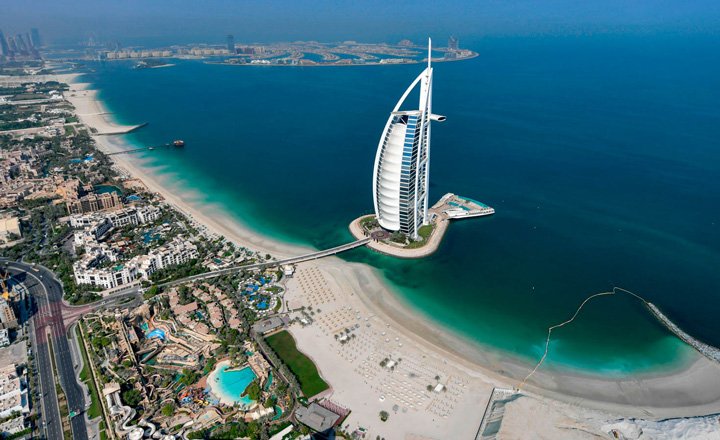
Dubai, one of the Middle East’s leading tourism and business hubs, is reportedly experiencing a decline in visitor arrivals and reduced activity across its hospitality sector as regional tensions continue to influence travel decisions.
According to a report by the Daily Mail, hotels, restaurants, and major entertainment venues in Dubai have increasingly turned to discounts, complimentary access offers, and special promotions in an effort to attract customers. The report suggests such measures have become more common in recent months than in previous years.
Areas that were once among Dubai’s busiest tourist destinations are reportedly seeing noticeably lower visitor numbers. Business owners and tourism industry representatives have also reported weaker booking levels and a decline in international tourist arrivals.
The Daily Mail cited residents and economic stakeholders who linked the slowdown to security concerns arising from recent military tensions across the region. Some travelers reportedly said that ongoing regional instability had influenced their perceptions of safety and affected their travel plans.
Reports have also pointed to lower passenger traffic through Dubai’s airports and declining hotel occupancy rates. Economic analysts have warned that if the current trend continues, the emirate’s tourism and hospitality industries could face increasing pressure in the months ahead.
Tourism remains one of the most important pillars of Dubai’s economy. Over the past two decades, the city has invested heavily in luxury hotels, shopping destinations, entertainment infrastructure, and global aviation networks, helping transform it into one of the world’s most visited travel destinations.
However, uncertainty surrounding regional developments, rising transportation costs, and concerns about security may challenge the sector’s growth trajectory. Industry observers note that traveler confidence remains a key factor in sustaining Dubai’s tourism-driven economic model.
NIMRUZ ANGLE
The reported slowdown is significant not only because of its impact on hotels and businesses but also because Dubai has long positioned itself as a stable commercial and tourism hub insulated from regional turbulence. Any sustained decline in visitor confidence could test that reputation and expose the extent to which regional geopolitical developments affect even the Gulf’s most diversified tourism markets.
FINAL ANALYSIS
While Dubai remains one of the strongest tourism destinations in the Middle East, the reported decline highlights the vulnerability of travel-dependent economies during periods of regional uncertainty. If geopolitical tensions persist, tourism operators may face prolonged pressure on revenues and occupancy levels. The coming months will provide a clearer indication of whether the downturn represents a temporary reaction to regional events or the beginning of a broader challenge for one of the Gulf’s most important economic sectors.