
The Democratic Republic of Congo is turning to religious communities to strengthen its response to an Ebola outbreak that has surpassed 8,000 confirmed cases and killed more than 4,000 people, according to official figures reported this week.
Representatives of major religious denominations met in Kinshasa on Thursday, October 1, at a roundtable organized through Caritas Congo to discuss how faith communities can contribute to Ebola prevention, public awareness and the fight against misinformation and stigma.
According to figures published by the Congolese Health Ministry, the response was continuing across seven provinces and 63 affected health zones as of September 29, with 8,224 confirmed cases. Later official figures reported by international media put the death toll above 4,000.
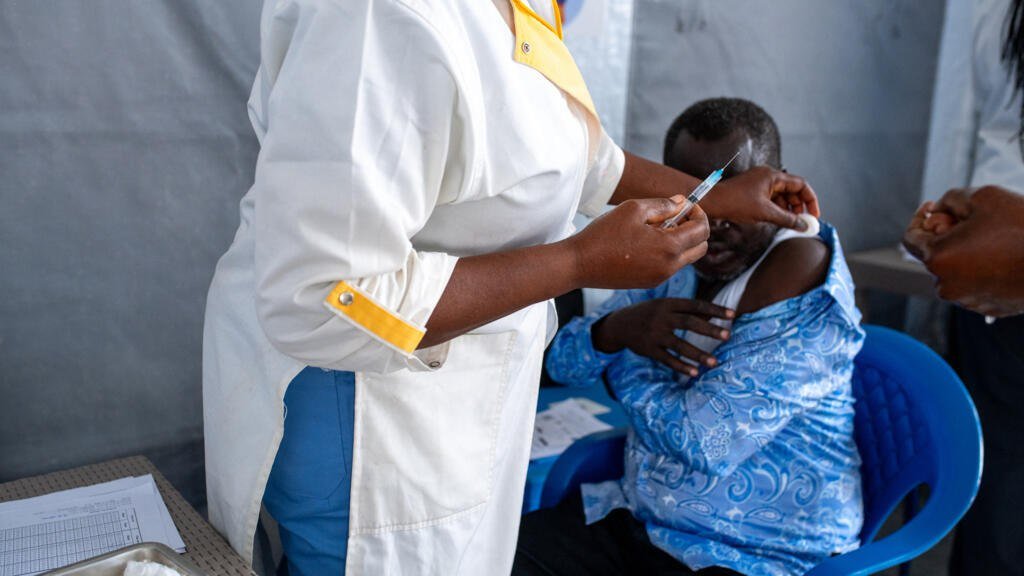
Religious leaders are being encouraged to use their extensive community networks to communicate accurate health information and support cooperation with response teams. The effort comes as misinformation, community resistance and stigma remain significant obstacles to the Ebola response.
Donatien Nshole, secretary-general of the National Episcopal Conference of Congo, said the response could not rely solely on health facilities and medical professionals. He argued that religious institutions, schools, health facilities and community networks provide channels for reaching large sections of the population.
The Kinshasa meeting also focused on reducing discrimination against people affected by Ebola and their families. Health officials and response organizations have repeatedly identified mistrust and misinformation as factors that can discourage patients from seeking treatment and make families less willing to cooperate with health teams.
The initiative reflects an increasingly community-focused approach to the outbreak. Religious organizations cannot replace medical interventions, but their established presence within affected communities could help deliver prevention messages and address misinformation where distrust is making the health response more difficult.
The latest effort comes as the outbreak continues to place pressure on the country’s health system. With thousands of confirmed cases and more than 4,000 deaths reported, the success of the response will depend not only on medical measures but also on public cooperation, access to accurate information and trust between communities and health workers.