
Iran is moving to deepen its economic and trade engagement with Afghanistan as officials from both sides discuss broader cooperation in sectors ranging from oil and electricity to agriculture and investment.
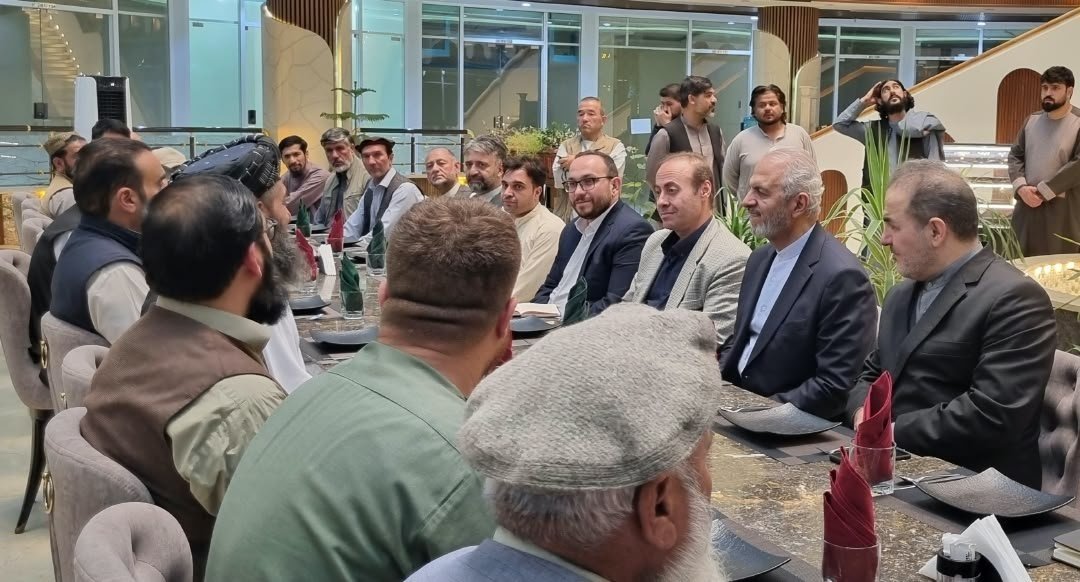
Iran’s acting ambassador in Kabul, Alireza Bikdeli, has held talks with Afghan officials and business representatives on expanding economic ties between the two countries. The discussions come as Tehran seeks a larger role for Iranian companies and products in the Afghan market.
Recent talks between Bikdeli and Afghanistan’s General Directorate of State-Owned Companies focused on expanding economic, trade and development cooperation, as well as possible joint investment in oil, electricity, fertiliser production, improved seeds and poultry farming.
Iranian officials have expressed interest in working with Afghan state-owned companies in several of these sectors. Afghan officials, meanwhile, have indicated that further discussions are expected, including talks on petroleum-product contracts and the expansion of bilateral trade.
The latest contacts suggest that economic relations remain one of the main channels of interaction between Tehran and Kabul. Iran is an important source of fuel and consumer goods for Afghanistan, while Afghan traders use Iranian territory and infrastructure as part of their access to regional markets.
The private sector is also becoming part of this expanding economic engagement. Recent discussions between the Afghanistan Chamber of Commerce and Investment and Iranian officials have focused on trade exhibitions, business-to-business meetings, easier travel for traders and investors, and increasing the presence of Iranian companies in Afghanistan.
However, the announcement of broader economic cooperation should not be interpreted as evidence that major new projects or binding agreements have already been completed. The available statements do not provide detailed figures on investment, trade value or the financial scale of the proposed cooperation.
That distinction is important because the practical impact of bilateral economic diplomacy ultimately depends on whether political discussions lead to contracts, investment, infrastructure projects and increased commercial activity.
The sectors being discussed are strategically significant for Afghanistan. Greater cooperation in electricity, energy, agriculture and fertiliser production could affect domestic production and supply chains, while expanded trade could further strengthen Afghanistan’s economic links with Iran.
For Tehran, deeper engagement with Afghanistan also provides an opportunity to maintain and expand its commercial presence in a neighboring market. For Kabul, stronger economic links with Iran can provide access to imports, energy supplies, transit routes and potential investment.
The two sides have also continued discussions in other economic fields. Earlier meetings between Iranian officials and Afghanistan’s Ministry of Mines and Petroleum included cooperation in oil and gas, mineral resources and related technical areas, while discussions on electricity have included investment opportunities and regional power infrastructure.
The next stage will therefore be measured less by official statements about expanding cooperation and more by concrete outcomes: signed contracts, investment commitments, new trade arrangements and projects that actually enter implementation.
For Afghanistan and Iran, the economic relationship is becoming increasingly important as both sides seek to expand regional trade and commercial connections. The latest meetings indicate continued momentum, but the scale and durability of that momentum will depend on what emerges from the negotiations now underway.