
Iran is seeking to expand its economic presence in Afghanistan, with Iranian officials calling for greater exports, investment and business engagement between the two countries.
Mohammad-Reza Babaei, governor of Iran’s Yazd province, described Afghanistan as an important market for increasing exports of Iranian products and called for a more active presence by Yazdi traders and investors.
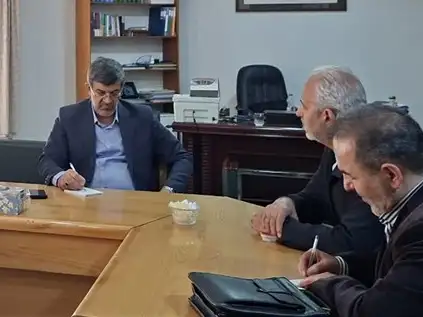
According to Iranian media, Babaei made the remarks during a meeting with Iran’s ambassador to Kabul, attended by the province’s deputy for economic affairs and tourism. The meeting focused on expanding economic relations, facilitating contacts between businesses in the two countries and creating opportunities for reciprocal investment.
Babaei said Yazd’s industries, mining sector, building-material producers, knowledge-based companies, medical services and tourism businesses could help meet parts of Afghanistan’s market demand.
He also argued that economic cooperation should go beyond the export of goods. Technical and engineering services, as well as attracting Afghan investors to projects in Yazd, could provide additional avenues for expanding bilateral economic ties.
The push comes as Iran continues to face extensive US sanctions, including restrictions affecting its banking, oil and trade sectors. These constraints make access to international markets and formal financial transactions more difficult and increase the importance of nearby regional markets.
For Iran, Afghanistan therefore represents more than a destination for Iranian goods. Its geographic proximity, shared border and demand for consumer products, construction materials, technical services and specialized expertise give Afghanistan a potential role in Iran’s wider regional trade strategy.
From a Nimruz perspective, however, expanding trade will depend on more than geographic proximity. Payment mechanisms, banking restrictions, transport costs, investment rules and security conditions will all influence whether proposed economic cooperation can develop into sustained commercial activity.
The competition for Afghanistan’s market is consequently likely to extend beyond merchandise exports. Countries and companies that can offer reliable financing, investment, technical services and dependable trade routes will have a stronger chance of establishing a lasting position in Afghanistan’s growing market.