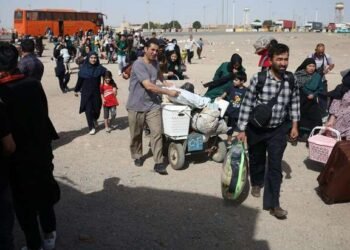

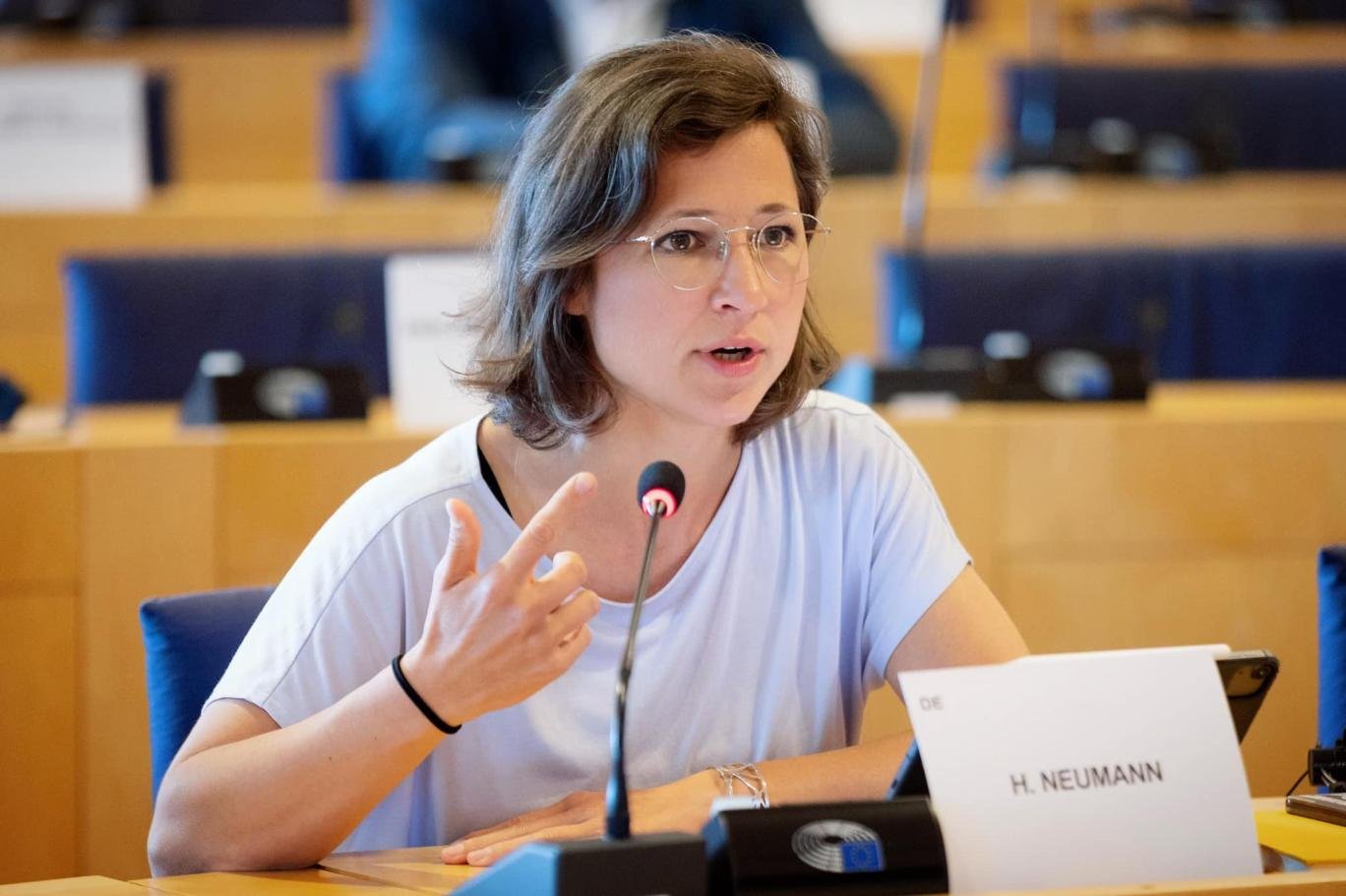
Hannah Neumann, a member of the European Parliament, has strongly criticized the Taliban delegation’s visit to Brussels for talks related to Afghan migrants, describing the meeting as an “absurd spectacle.”
Neumann argued that the Taliban are not interested solely in technical discussions. Instead, she said, the group’s primary objective is to gain political legitimacy and expand its relations with European countries.
According to the German lawmaker, the Taliban began building engagement with Europe through Germany, where contacts were initially presented as technical discussions focused on the return of Afghan migrants.
She stated that following consular-level discussions between German authorities and the Taliban, representatives of the group were accepted in Berlin and have since sought to expand their diplomatic presence further.
Neumann warned that granting additional diplomatic representation to the Taliban could provide the group with access to personal information belonging to thousands of Afghans living in Europe, many of whom fled Afghanistan after the Taliban returned to power.
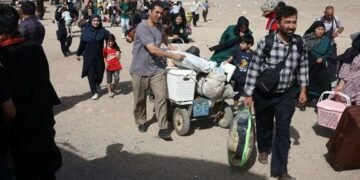
The European Commission has maintained that the visit to Brussels is strictly technical in nature and focuses on consular issues and the return of Afghan nationals who do not have legal permission to remain in European Union member states, including individuals convicted of criminal offenses.
According to a letter sent by the European Commission to Abdul Qahar Balkhi, head of the Taliban delegation, and reviewed by Reuters, the central topic of discussion is the return and readmission of Afghan citizens who no longer have the right to stay in EU countries.
At the same time, a source within the European Commission told Afghanistan International that representatives from 15 European Union member states participated in the meeting with the Taliban delegation.
The invitation extended to Taliban representatives has triggered significant criticism from human rights activists, women’s rights advocates and several European politicians in recent days. Critics argue that such engagements risk granting political legitimacy to the Taliban despite ongoing concerns over human rights and restrictions on women and girls in Afghanistan.
The debate reflects a broader challenge facing European governments: balancing migration management and consular cooperation with concerns that official engagement could be interpreted as a step toward political normalization of the Taliban.